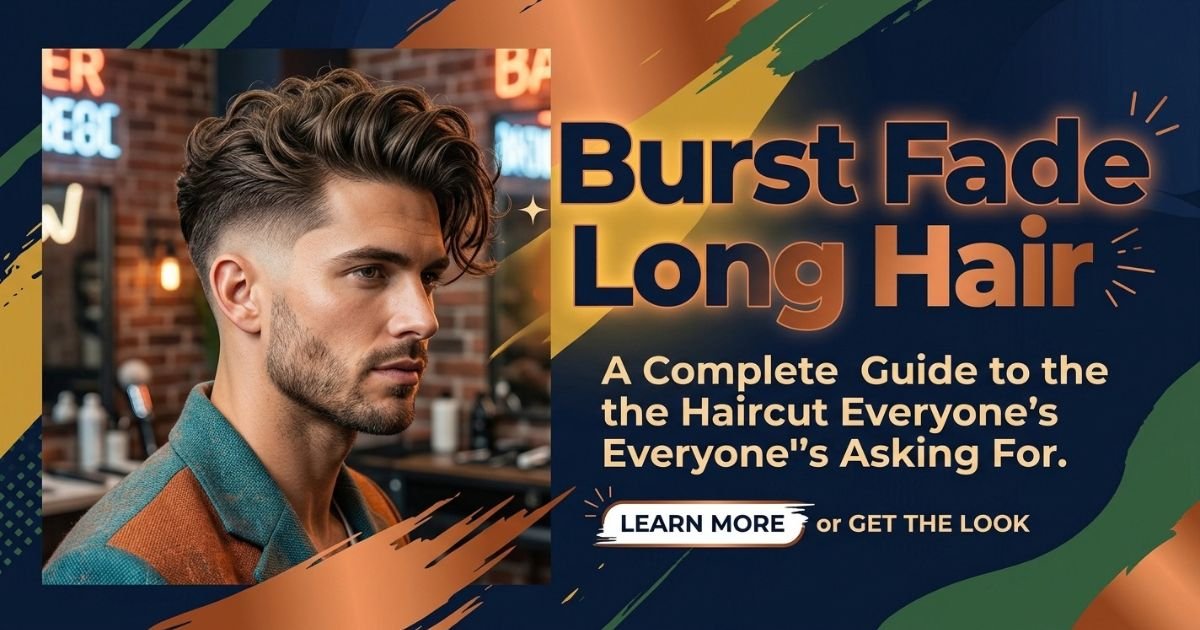
Burst Fade Long Hair: A Complete Guide to the Haircut Everyone’s Asking For
If you’ve been following barbers’ Instagram feeds recently, you’ve likely seen the same cut featured time and time again: short rounded sides that “burst” around the ear and a bunch of longer hair on top. This is the burst fade long hair cut style, and it’s definitely one of the most sought-after cuts these days in the barbershop world.
It’s not a problem to find photos of it. It’s about knowing how to get one that works for your hair type, how to discuss it with your barber, and how to make it look sharp between appointments. That’s what this guide is here for, minus the fluff.
What Is a Burst Fade Long Haircut, Exactly
A burst fade is a fade that is not straight down the side of the head, but rather curves around the ear in a half-moon fashion. Imagine the fade is not flat behind the ear, but rather “bursts” out from behind the ear.
Combined with longer hair above, typically 3 inches or longer, you have a style that has good contrast. Sides remain tight and clean, and the top is free to move, flop, curl, or tie back as necessary with the work.
It is not the same as a “skin fade” or “taper,” which is more of a linear fade between short and long. The curved shape of the burst fade is what makes it look rounded, almost sculpted, around the ear.
Burst Fade vs Regular Fade With Long Hair
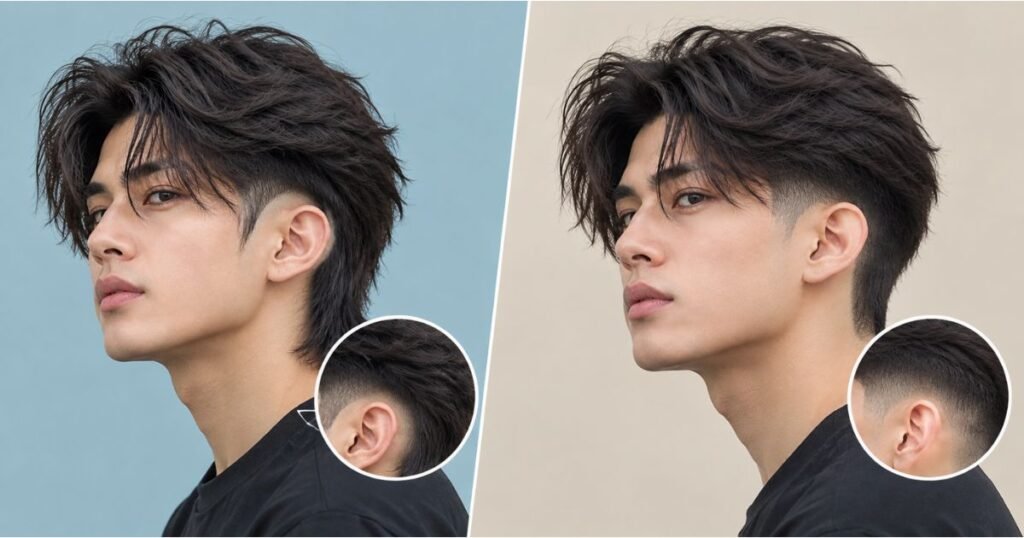
People mix these up constantly, so here’s the short version. A regular fade transitions in a straight vertical line, usually starting near the sideburn and running down toward the neckline. A burst fade transitions in a circular pattern around the ear, and it typically doesn’t extend all the way to the back of the neck the way a full fade does.
That matters more than it sounds like. A burst fade tends to blend into longer hair more forgivingly because the curve softens the line between short and long sections. A straight fade against long hair can sometimes look like two separate haircuts stitched together if it’s not blended well.
Who This Cut Actually Works For
Barbers will tell you almost anyone can wear a burst fade, and that’s mostly true, but some hair types make it easier to pull off than others.
Straight Hair
With straight hair, you will have the best contrast between the fade and the longer top. The lines remain sharp, and the top length is more likely to part to the side, slick back, or textured crop. The downside is that straight hair will lose volume faster, as there is no natural volume to cover up the growing-out fades.
Wavy and Curly Hair
The burst fade long hair truly comes into its own with curly or wavy hair. The natural volume that’s added on top makes up for the tightness of the sides, and the curve of the fade actually enhances the curl pattern, rather than working against it. That’s why you will find it frequently on men with coily or afro hair.
Thick vs Thin Hair
Thick hair does not require as much styling to retain its shape and volume, making the “long” part of this cut appear as though it was done on purpose. Though it’s possible to wear thin hair, you may want to discuss texture or light layering with your barber to prevent it from lying flat on the scalp, taking away the weight of the style.
How Long Does Your Hair Need to Be
This is a very common question, and most guides overlook it. A burst fade long hair will not look like a fade that’s just grown out until you have at least 2-3 inches of length on top.
If it’s shorter than that, the fade-to-top contrast won’t be as dramatic, and it can end up looking more like a regular fade. Most barbers recommend growing the top for 6-10 weeks after the initial length before scheduling an appointment, depending on the rate of hair growth.
Before you sit in the chair, one thing to know: the more frequently you trim the sides while the plant is growing, the more frequently you will need to trim the top. Instead of having a full cut, ask your barber to only clean up the sides every 2-3 weeks, leaving the top left alone.
How to Ask Your Barber for a Burst Fade Long Hair
Vague requests get vague results. Walking in and saying “burst fade, long on top” is a start, but giving your barber a few more specifics will save you a bad haircut.
Specify the Fade Height
Burst fades come in low, mid, and high variations, based on where the fade starts.
- A low burst fade starts just above the ear, giving a subtler contrast. Good for office environments or a more conservative look.
- A mid burst fade starts around the temple, offering a balance most guys land on.
- A high burst fade starts higher up the side, creating the boldest contrast with the long top. This is the version you’ll see on more fashion-forward or edgier looks.
Bring a Reference Photo, But Explain Your Hair
Photos help, but a photo of a guy with thick straight hair won’t translate directly if you have fine, wavy hair. Tell your barber your hair type and ask directly how the style in the photo will need to be adjusted for your texture. A barber who’s paying attention will adjust the fade height or the amount of texturizing on top accordingly.
Ask About Blending, Not Just the Fade Itself
The real skill in a good burst fade with long hair isn’t the fade line itself; it’s how smoothly the shorter sides blend into the longer top. Ask specifically for the blend to be worked with scissors over the comb, not just clippers, so the transition looks gradual instead of stepped.
Styling Options Once You Have the Cut
Part of why this haircut has taken off is versatility. The same cut can look completely different depending on how you style the top.
Textured and Messy

Apply a matte clay or paste to damp hair, scrunch upward from the roots, and let it air dry or diffuse on low heat. This works especially well on wavy and curly textures and gives the most casual, undone version of the style.
Slicked Back
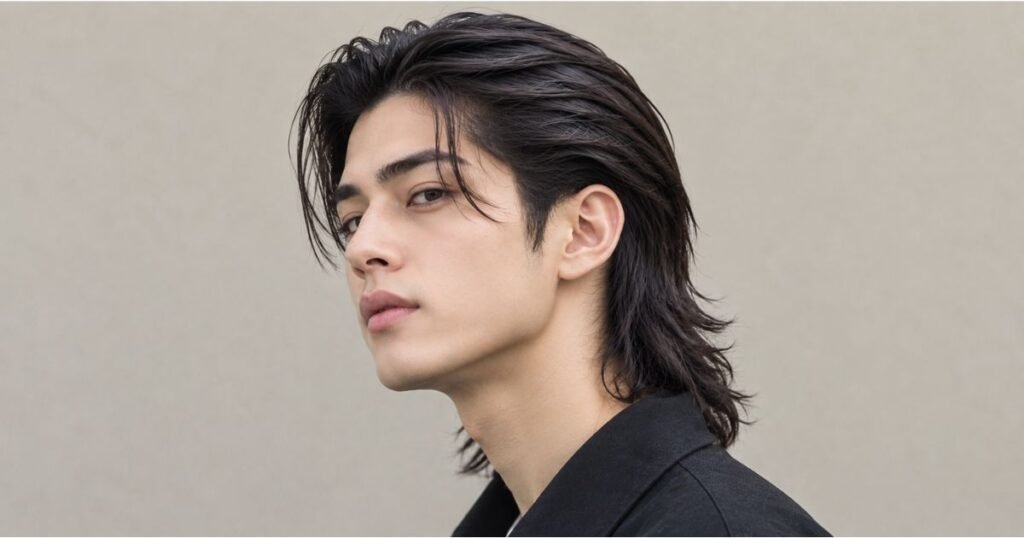
Blow-dry the top back while brushing against a round brush, then finish with a pomade for shine and hold. This version reads more polished and works well if you need the cut to look sharp for work.
Top Knot or Bun
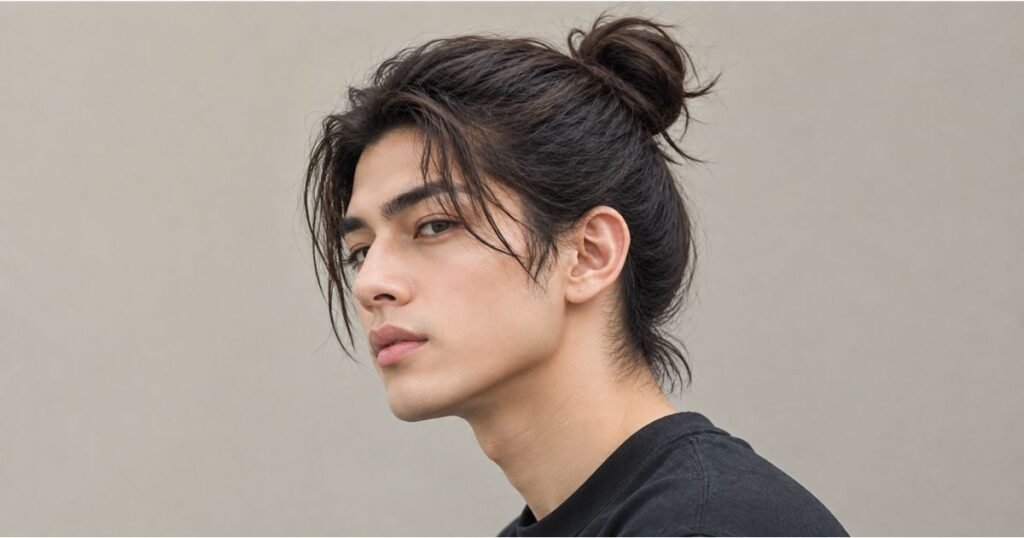
Once the top reaches 4 to 5 inches, you can pull it into a small knot or bun, letting the burst fade long hair do the work on the sides. This is a favorite among guys who want the edge of a fade without dealing with daily styling.
Curly Definition
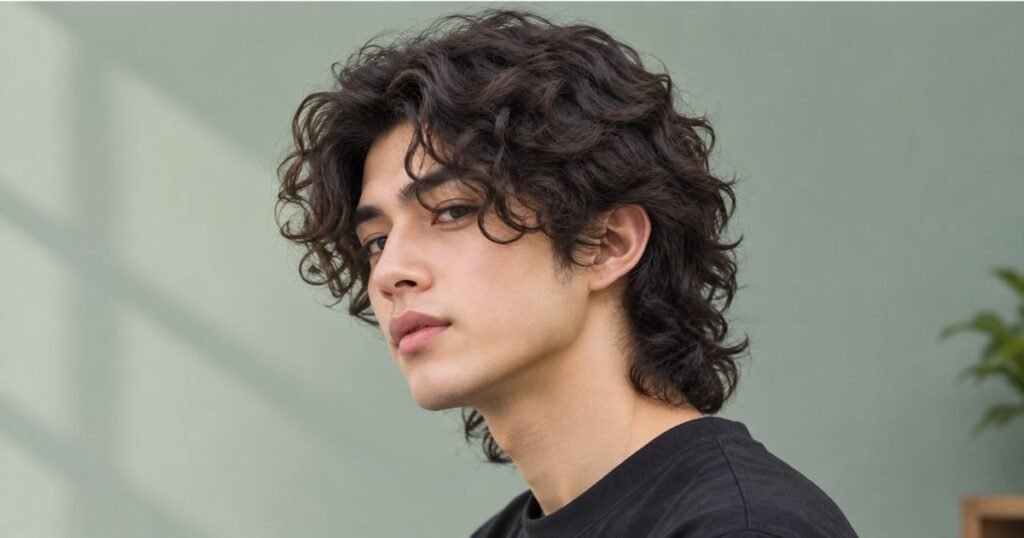
If you have natural curl, use a curl cream or gel on soaked hair and let it air dry to avoid disrupting the curl pattern. Avoid brushing dry curls, since that breaks up the curl clumps and creates frizz instead of definition.
Maintenance: What Nobody Tells You Upfront
Most articles say “get regular trims” and leave it there. Here’s what that actually means in practice.
The Sides Grow Out Faster Than You Think
Fades, including burst fades, start looking overgrown within 2 to 3 weeks, especially if the fade is cut low or skin-tight at the base. If you want your burst fade to stay sharp for longer stretches between visits, ask your barber to start the fade slightly shorter than skin, since a slightly less aggressive fade grows out more gracefully and doesn’t look patchy as fast.
Keep the Top and Sides on Separate Schedules
A mistake a lot of guys make is booking a “full haircut” every time, which often means the barber trims the top along with the sides out of habit. Be explicit that you only want the sides refreshed. Over time, inconsistent trimming on top is what causes uneven growth and a shapeless top section.
Wash Less Than You Think
Longer hair on top doesn’t need daily washing, and over-washing strips the natural oils that help hold texture and shape, especially for wavy or curly types. Two to three washes a week with a sulfate-free shampoo is usually enough, with a light conditioner focused on the mid-lengths and ends.
Watch for the “Helmet Head” Stage
Around week 3 or 4, the fade starts blending less cleanly into the top, and the whole thing can start to look like one uniform block instead of two distinct sections. This is the point where a lot of guys panic and get the top cut down too. Instead, book a sides-only touch-up here rather than letting it get frustrating enough to chop the length you’ve been growing.
Explore More: Hispanic Mexican Low Taper Fade: The Complete Style Guide
Mistakes to Avoid With This Cut
A few things trip people up more than anything else.
Going too short on top too soon. If you cut the top back down before it reaches a length where the style reads as intentional, you’ll cycle through the awkward growing-out phase repeatedly instead of once.
Choosing a fade height that doesn’t match your face shape. A high burst fade on a longer face shape can exaggerate length. If you have a longer face, a low or mid burst fade generally balances things out better.
Skipping the blend conversation. As mentioned earlier, a poorly blended burst fade against long hair creates a visible seam rather than a smooth gradient. Always confirm the blending approach before the clippers come out.
Using heavy products on fine hair. Thick pomades and waxes can weigh down fine or thin hair, flattening the volume that makes the long-on-top look work. Lighter clays or texture sprays are usually a better fit.
Conclusion
A burst fade long hair rewards a little patience more than almost any other cut. The first few weeks of growing out the top can feel awkward, and it’s tempting to just cut it all back down. Stick with it, communicate clearly with your barber about fade height and blending, and keep the sides on their own maintenance schedule. Once it settles in, it’s one of the most flexible styles out there, sharp enough for work, relaxed enough for everything else.
Frequently Asked Questions
How often do I need to get my burst fade touched up?
Most people need the sides refreshed every 2 to 3 weeks to keep the fade sharp, while the top can go 8 to 12 weeks or longer without a trim, depending on how much length you’re growing out.
Can I get a burst fade with long hair if my hair is thinning?
Yes, but you’ll want to be upfront with your barber about density. A lower or mid burst fade with less dramatic contrast usually looks more natural on thinning hair than a high burst fade, which can draw more attention to the scalp.
Does a burst fade work with a beard?
It works well and is a common pairing. Ask your barber to blend the fade into the beard line along the jaw so the two sections connect smoothly instead of looking like separate styles.