Hispanic Mexican Low Taper Fade: The Complete Style Guide
If you enter any barbershop today, you will hear the same cut discussed over and over again. Men are calling it out by name, showing pictures on their phones, and barbers are getting quicker at knowing what it is before the man finishes his sentence. That’s the Hispanic Mexican low taper fade, and it’s one of the most sought-after cuts among men who desire a clean, low-maintenance, and easy-to-keep cut between sessions.
This guide will explain what makes it different from a standard low fade, which variations are best suited to different hair types, how to tell your barber what you want so you don’t leave the chair disappointed, and how to maintain the look after you leave the chair.
What Is a Hispanic Mexican Low Taper Fade
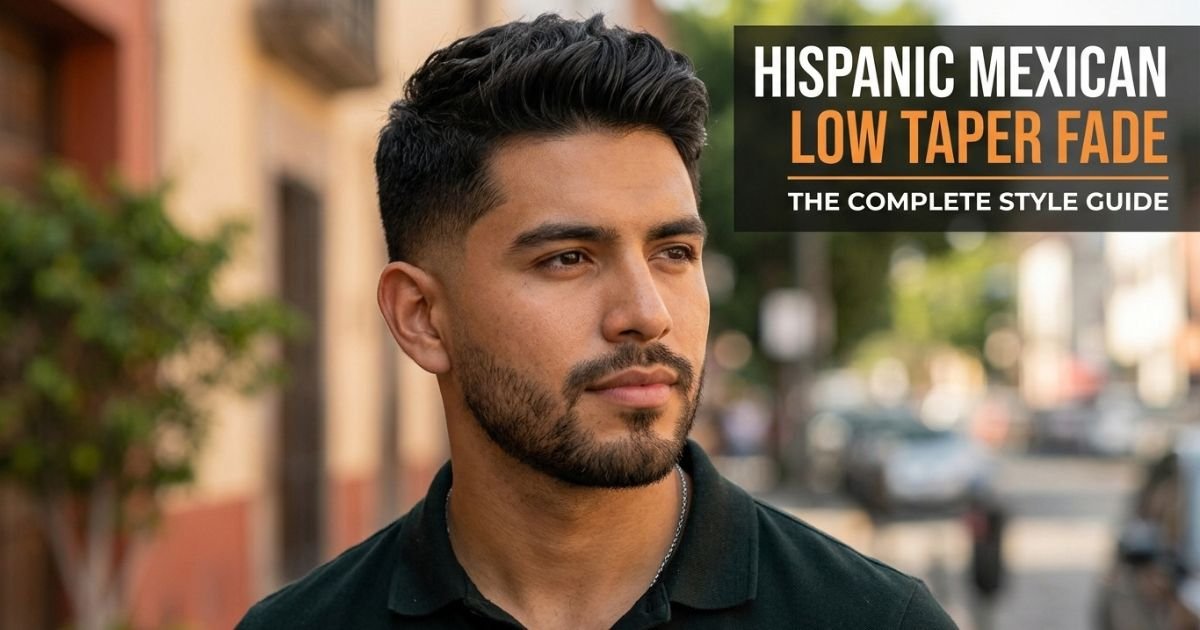
A low taper fade for Hispanic Mexican men is a fade that tapers from the top and fades down to the ears, sideburns, and neckline. The blend starts low on the head, so there will be more hair left on the sides, unlike a high fade. This yields a more subtle changeover that remains sharp and purposeful.
The important word is “taper.” A skin fade will always show more skin than a taper will. It just cuts the hair slowly, so one of the reasons why this cut is so popular is because of that. It grows out more naturally than a high or skin fade, and you can usually extend the time between barber appointments without the haircut looking too ugly.
It is not a different technique when it comes to cutting; that’s just what makes it “Hispanic” or “Mexican”. It’s more about the styling tradition that goes along with it. The barbershops of the Latino and Mexican communities are known for their exact formations, the natural volume left on top, and simple details such as hard parts or shaved designs around the temple. The secret, however, is in the details, which make the cut special even though the fade method is the same in every part of the world where barbers do their trade.
Why This Haircut Has Become So Popular
There are a few honest reasons this style keeps showing up in barbershops across the country.
It works with nearly every hair type. Straight, wavy, curly, thick, or thin hair can all be shaped into a clean low taper fade without fighting the natural texture.
It is low maintenance compared to higher fades. Because the fade starts lower on the head, regrowth is far less noticeable, so many guys can go three to four weeks between trims instead of two.
It suits almost any setting. The same haircut can look polished enough for an office job and still hold up for a weekend out, depending on how the top is styled.
It carries cultural weight. For many Hispanic and Mexican men, this cut is tied to family barbershops, weekend haircuts, and a grooming tradition that values precision and craftsmanship.
Hispanic Low Taper Fade vs Mexican Low Taper Fade
People often use these two terms interchangeably, but there is a real difference once you look closely at how each one is finished.
The Hispanic version leans toward balance. The fade blends smoothly with very few sharp lines, and the hairline is kept natural rather than razor-cut. It is the safer, more conservative option and works well for someone trying a fade for the first time or someone who needs a haircut that reads as professional.
The Mexican version tends to be more structured. Expect a crisper lineup, more defined edges, and details that hold their shape even a few days after the cut. This version is closely associated with the Edgar haircut, a fringe-forward style with a straight, blunt line across the front, and with the takuache look that has become popular in Mexican-American communities.
Neither style is better than the other. It really comes down to how much definition you want and how much upkeep you are willing to commit to.
| Feature | Hispanic Low Taper Fade | Mexican Low Taper Fade |
|---|---|---|
| Hairline | Natural, softly cleaned up | Sharp, razor-defined |
| Fade blend | Smooth with no visible lines | Crisp with more contrast |
| Common pairing | Simple crop or slick back | Edgar cut or takuache style |
| Best for | Work, interviews, everyday wear | Nights out, photos, bold looks |
| Upkeep | Every 3 to 4 weeks | Every 2 to 3 weeks |
How It Compares to Other Fade Types
Understanding where the low taper fade sits next to its close relatives makes it much easier to explain what you want when you sit in the chair.
Low fade. A low fade is similar in that it stays close to the ears and neckline, but it usually drops closer to the skin right at the bottom before blending upward. It has a touch more contrast than a low taper fade.
Mid taper fade. This version starts higher on the sides, which creates a bolder look with more contrast between the top and the faded section.
High taper fade. More hair is removed from the sides here, giving a much sharper and more dramatic finish. It is a good choice for men who want a cleaner, edgier appearance.
Skin fade. This is the sharpest option of them all, blending hair all the way down to bare skin. It looks striking but needs far more frequent barber visits to stay looking fresh.
If you want something that reads as clean and put together without needing constant touch-ups, the low taper fade sits comfortably in the middle of that list.
Best Styles to Pair With a Low Taper Fade
The fade itself is only half the haircut. What you do on top is what makes it personal. Here are some of the most requested combinations.
Edgar Cut With a Low Taper
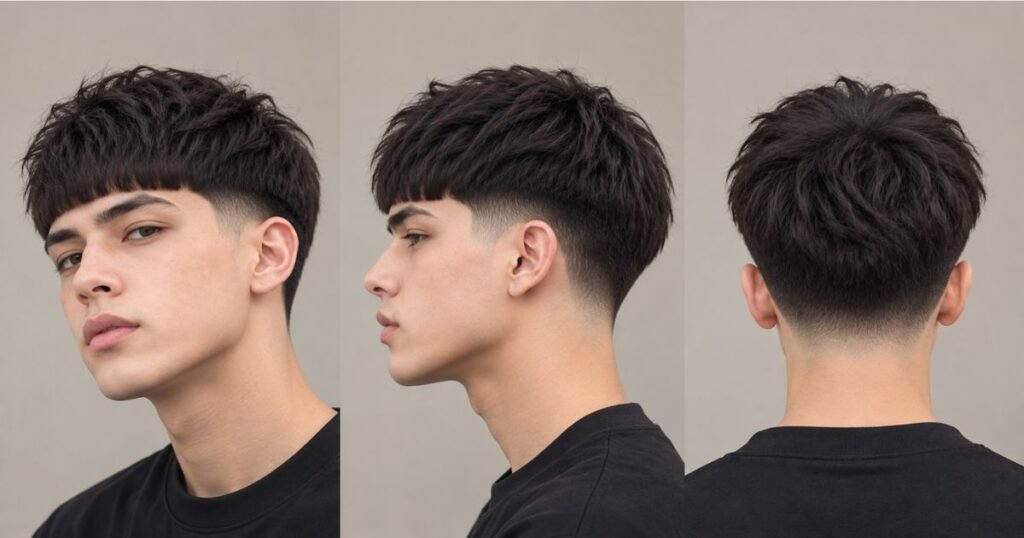
The Edgar cut brings a straight, blunt fringe across the forehead paired with a clean low fade on the sides. It is one of the most recognizable Mexican-American hairstyles right now and works especially well with thicker or straighter hair.
Textured Crop
A textured crop keeps the top slightly longer with a choppy, natural finish. It pairs nicely with the softer Hispanic version of the fade and suits guys who want a lived-in, low-effort look.
Curly Top Low Taper
For men with natural curls or waves, keeping the top longer and letting the curl pattern show through creates a striking contrast against the tight sides. This is one of the most flattering options for curly or coily textures.
Slick Back With a Low Fade
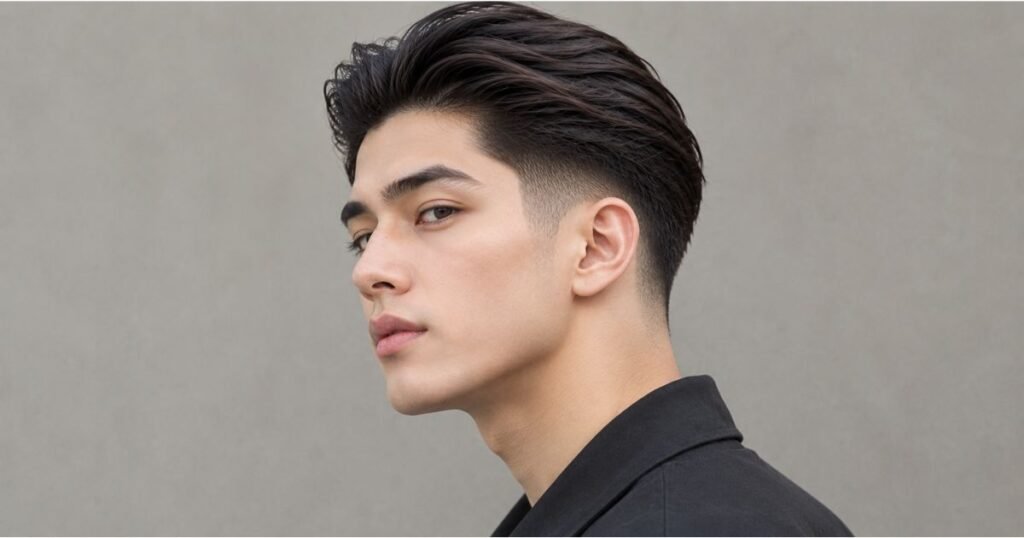
A slicked back top paired with a low taper gives a more formal, put-together appearance. It works well for guys who need a haircut that transitions easily from work to a night out.
Buzz Cut With a Line Up
For the lowest maintenance option on this list, a buzz cut paired with a sharp line up along the hairline gives a clean, defined look without needing much daily styling.
Low Taper With a Hard Part
A thin shaved line running through the part adds a modern, structured detail that barbers in Hispanic and Mexican shops are especially known for.
Low Taper With a Beard Fade
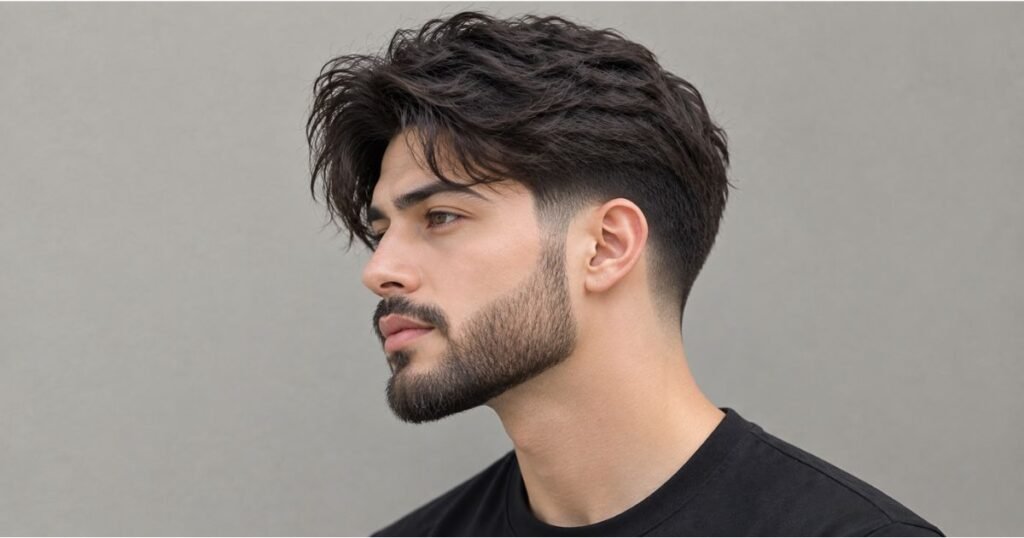
Blending the haircut into a beard fade creates a finished, well-groomed look from every angle and is a popular choice for men who keep facial hair.
Choosing the Right Version for Your Hair Type
The reality is that no one can tell you which version of this haircut will look best, just based on ethnicity. More than many people realize, hair density, thickness, natural growth direction, and face shape all play a larger part.
Men who have straight and dense hair are best suited to the Edgar cut or a slicked-back top, as the hair will hold its shape without needing much product.
Men with wavy or curly hair should avoid trimming their hair too short because the curls will become lost and will be less visible. It is better to keep the hair longer on top to allow the curls to show.
Men who have less hair may not want to shave too much on the crown, as it can make the haircut look sparse or uneven.
A good barber will ask what kind of hair you have and how it grows before cutting it, and will not simply replicate a picture; the same cut can look completely different on different people.
How to Ask Your Barber for This Cut
If you’re not prepared with the correct words, you might find yourself getting your hair cut the wrong way when you’re in a barbershop. This is a simple explanation for it in the chair.
Begin by stating that you would like a low taper fade as opposed to a high taper fade, which is where the blend is going to begin near the ears and neckline. Tell them how much length you would like to have on top, whether it be enough for a textured look, a sleeked back or a closer cut to a buzz cut. For the Mexican look with more detail, request a crisp line and a clear edge at the hairline. For the more laid-back Hispanic look, request a natural hairline that is tidied up, but not sharp.
Although it’s good to bring a photo with, it’s also helpful to tell your barber your hair type and how much you’re willing to invest in it, so they can tweak the cut to make it look good on you.
Maintenance Tips to Keep It Looking Sharp
A low taper fade is easier to keep than a high or skin fade, but requires some upkeep between appointments.
Get a trim every 3-4 weeks. The fade begins at a low level and regrowth is less apparent than with higher fades, but if the fade is allowed to become too long, the line will become less sharp.
If you are familiar with the safe use of a hair trimmer, keep the hairline clean at home, particularly around the neckline area where hair grows back the quickest.
Use a light styling product that is appropriate to your hair type. A cream or curl-defining product will work best for curly hair, while a matte pomade or light wax will do wonders for straighter hair.
Regularly wash your hair, but don’t use heavy products on the top, as this will flatten the shape the barber worked to create.
Explore More: Best Medium-Length Hairstyles for a Double Chin and Round Face
Conclusion
The Hispanic Mexican low taper fade has earned its popularity honestly. It is versatile enough to work with nearly any hair type, low maintenance enough to fit a busy schedule, and rooted in a barbering tradition that values precision and craftsmanship. Whether you lean toward the softer Hispanic version or the sharper Mexican take, the real key to getting it right is understanding your own hair type, communicating clearly with your barber, and keeping up with regular trims. Once you find the version that fits you, it is a haircut that holds up well from the barber chair to everyday life.
Frequently Asked Questions
Is a Hispanic low taper fade the same as a Mexican low taper fade?
Not exactly. Both use the same basic taper technique, but the Hispanic version tends to be softer with a natural hairline, while the Mexican version is usually sharper with a more defined lineup and bolder detailing.
How often do I need to get this haircut touched up?
Most men can go three to four weeks between visits since the fade starts low and grows out gradually. If you go with the sharper Mexican version, you may want to book closer to every two to three weeks to keep the lineup crisp.
Does this haircut work with curly hair?
Yes. A low taper fade works well with almost any hair texture, including curly and wavy hair. The key is leaving enough length on top so the natural curl pattern has room to show rather than cutting it too short.