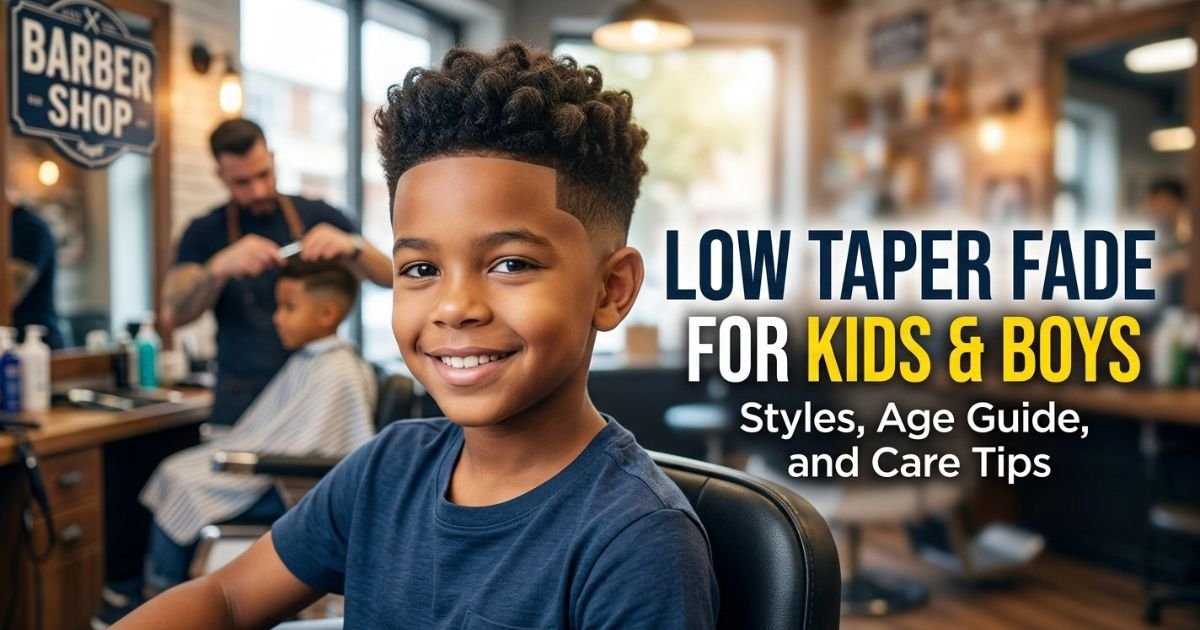
Low Taper Fade for Kids & Boys: Styles, Age Guide and Care Tips
The ideal boy’s haircut is clean, comfortable, and convenient for the busy school morning. That’s why the low taper fade for kids & boys is one of the most popular fade cuts in barbershops.
It has a short side and back, but does not create an unflattering silhouette. It is suitable for toddlers, school-age boys, and pre-teens. It’s also slow-growing, which means you’re not going back to the barber every other week.
This guide will cover what a low taper fade is, which styles work best for various ages and hair types, how to communicate with your barber about it, and how to maintain it at home.
What is a Low Taper Fade for Kids?
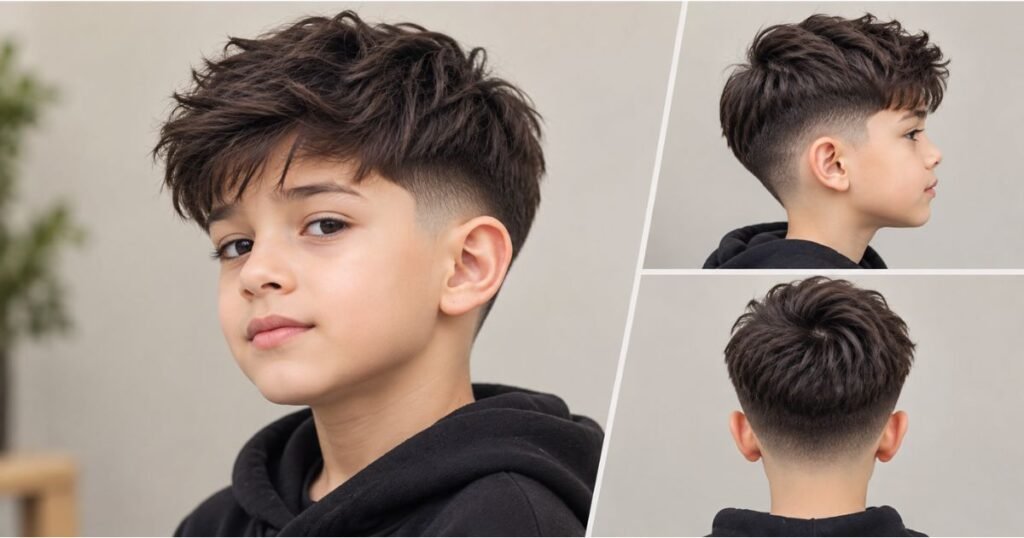
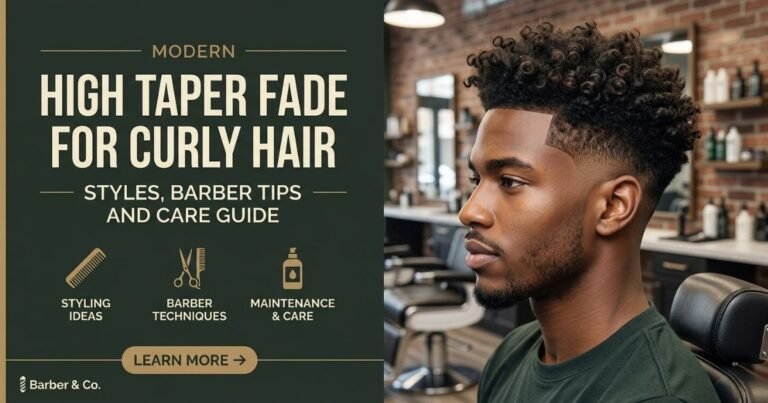
A low taper fade is a fade that takes the hair on the sides and back down to the ears and neckline. It is called “low” because the shortening begins at the base of the neck, just above the ears.
The hair on top remains longer, and the change from long to short is seamless. No sharpness or sharp contrast. This soft combination makes it safe and clean for kids.
The low taper is the easiest taper for children. It provides a neat silhouette around the ears and neck, but does not shave much of the sides. This is a good first fade for boys who aren’t used to clippers.
Taper vs Fade: What Is the Difference?
Many parents use these words as if they mean the same thing, but there is a small difference.
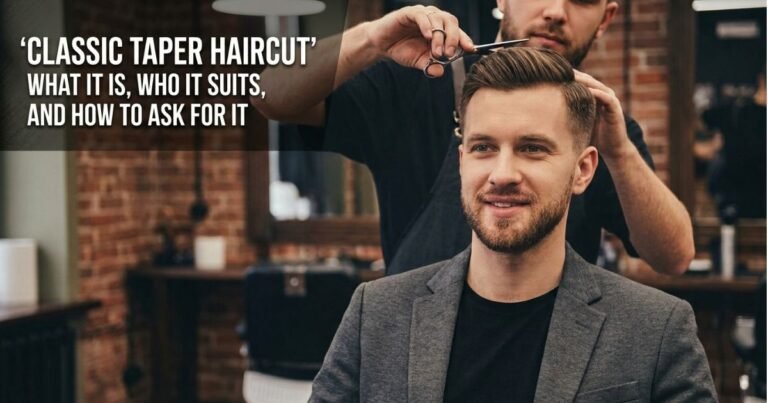
A taper shortens the hair gradually, usually leaving some length even at the shortest point. It looks natural and classic.
A fade goes shorter, often down to the skin, and creates a stronger contrast between the top and the sides.
A low taper fade sits between the two. It has the softness of a taper and a little of the clean blend of a fade. For young boys, this balance is usually what parents are looking for.
Explore More: Mid Blowout Taper: What It Is, Who It Suits and How to Get It Right
At What Age Can a Boy Get a Low Taper Fade?
There is no strict age limit. Most barbers say a boy can get a low taper as soon as he has enough hair and can sit reasonably still.
Here is a simple age guide:
Toddlers (2-4 years): Make it extremely soft. Request that the sides are extended and the top be slightly longer. Short sessions are best, as the noise of the clippers may distract small children.
Early school age (5-8 years): This is the ideal age. A low taper with a textured or combed top is neat and requires minimal styling.
Older kids (9 to 12 years): Boys at this age often want a say in their style. A low taper still works well, and you can add a part, a longer fringe, or more texture on top.
Pre-teens and teens (13 and older): A low taper will remain a low taper, or taper toward a mid taper if the boy prefers a more angular appearance.
Best Low Taper Fade Styles for Boys
The sides stay the same in all of these. The difference comes from what is done on top. Here are the styles parents ask for most.
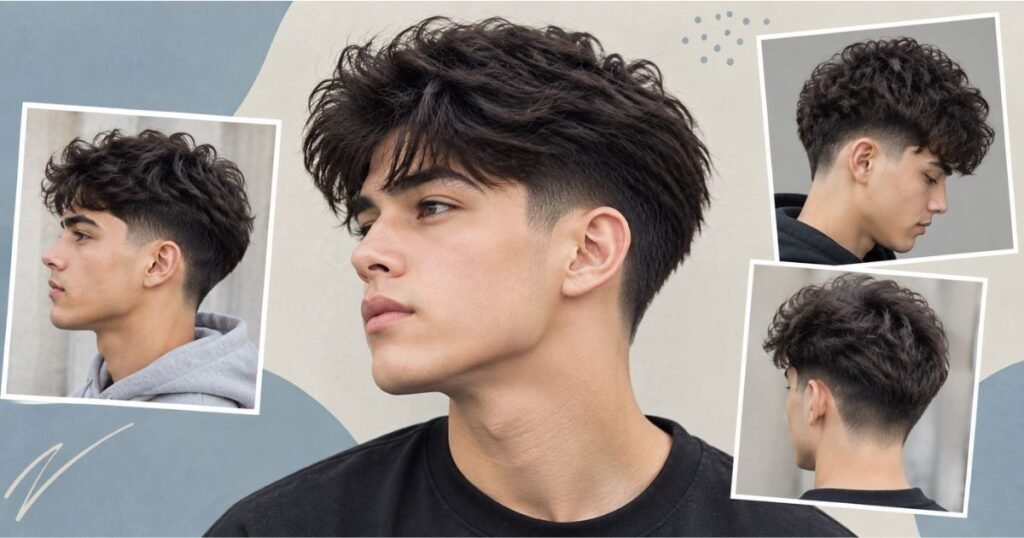
Low Taper Fade with a Textured Crop
Short, choppy layers on top with a slightly forward fringe. It is easy to style, looks natural, and suits most hair types. This is one of the safest choices for school.
Low Taper Fade with a Side Part
A clean part on one side with the hair combed over. It gives a polished look for family events, school photos, and weddings.
Low Taper Fade with a Comb Over
Similar to the side part but softer. The hair on top is brushed to one side without a sharp line. It is a classic look that never feels out of place.
Low Taper Fade with a Crew Cut
Short on top, short on the sides, and very easy to maintain. A good choice for active boys and hot weather.
Low Taper Fade with a Buzz Cut
The top is clipped short and even. It takes almost no effort each morning, and it works well for boys who play a lot of sports.
Low Taper Fade with a French Crop
A short, blunt fringe that sits forward on the forehead, with tidy sides. It looks sharp, and it works nicely on straight and wavy hair.
Low Taper Fade with a Curly Top
Leave the curls on top and keep the sides tapered. This shows off natural texture and keeps the cut neat at the same time.
Low Taper Fade with an Afro Top
Ideal for boys with coily hair. The top keeps its shape and volume while the sides stay clean and defined.
Low Taper Fade with a Pompadour
Longer hair on top is lifted slightly at the front. This needs a little more styling, so it suits older boys.
Low Taper Fade with a Faux Hawk
The hair in the center is styled upward or backward, with shorter sides. It is fun and bold but still manageable.
Low Taper Fade with a Slicked Back Top
Hair is brushed back with a light product. It suits boys with medium-length hair who like a smart look.
Low Taper Fade with a Spiky Top
A playful style for younger boys. A little gel or paste is enough to hold it.
Low Taper Fade with a Modern Mullet
Shorter at the front and sides with some length kept at the back. It is a trendy style, so check school rules first.
Low Taper Fade with a Broccoli Cut
Loose, soft curls or waves on top with a clean taper around the sides. It is popular with boys who have thick or curly hair.
Low Taper Fade with 360 Waves
For boys who brush their hair into waves, the low taper keeps the edges clean while the top pattern stays in focus.
Best Low Taper Fade by Hair Type
The same cut can look different depending on hair texture. These tips help you ask for the right version.
Straight Hair
Straight hair reveals all lines, so it’s important to have a clean and even blend. Any kind of textured crop or side part is fine. If the top is flat, add a little of the texture spray.
Wavy Hair
Natural movement in wavy hair. Leave the top a bit longer to allow waves to display. A low taper prevents puffing out.
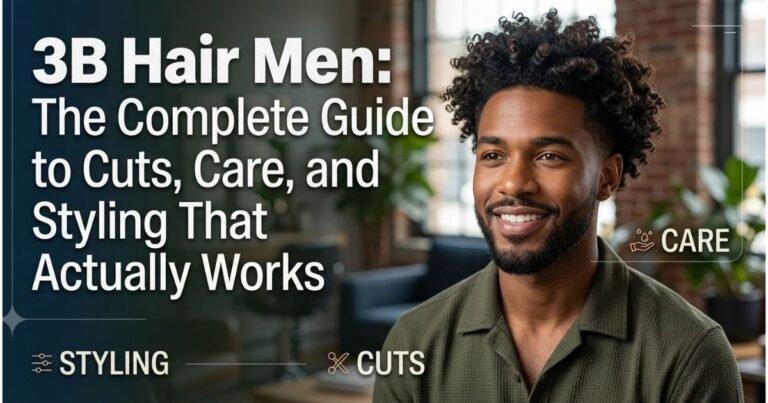
Curly Hair
For curly hair, it is essential to have a bit of length at the crown. Curls will lose shape if they’re too short. Request the barber to trim the sides but not the curls.
Thick Hair
Thick hair may appear bulky and heavy. A low taper gets rid of some bulk from the sides and back. The barber can also cut back the top a little to make it fit more.
Fine Hair
Fine hair may appear limp. Leave the top slightly longer and use a light product for body. The sides are angled, and this helps the top appear fuller.
Tight, curly, or Afro-textured hair
A low taper provides a sharp edge around the hairline and neck. Between haircuts, it is essential to keep hair and scalp moisturized to avoid dryness.
Which Low Taper Fade Suits Your Son’s Face Shape?
You do not need to be exact here, but a few simple guidelines can help.
Round face: Add some height on top, like a textured crop or a small pompadour. This makes the face look a little longer.
Square face: A softer top, like a comb-over, balances strong features.
Oval face: Almost every style works, so pick what your son likes most.
Long face: Avoid too much height. A fringe or a side part keeps the face looking balanced.
Heart-shaped face: A textured top with a little fringe softens the forehead area.
Is a Low Taper Fade School Appropriate?
In most cases, yes. A low taper is one of the safest haircuts for school because it looks neat and natural.
Schools usually have concerns about very bold looks, such as skin fades, shaved designs, bright colors, or extreme lengths. A low taper with a classic top rarely causes any issue.
To stay on the safe side:
- Choose a low taper, not a high or skin fade
- Keep the top simple, like a crop, comb over, or crew cut
- Skip shaved lines and patterns
- Check the school dress code if you are not sure
How to Tell the Barber What You Want
A lot of haircut mistakes happen because the instructions are unclear. Here are some simple things you can say:
- “A low taper fade, starting just above the ears.”
- “Keep the sides a little longer, not down to the skin.”
- “Leave about two inches on top and keep it textured.”
- “Please blend it softly around the neckline.”
- “No harsh lines. He is a first-timer.”
Bringing a photo helps a lot. Pictures remove guesswork, and most barbers appreciate them.
It is also a good idea to tell the barber if your child has a sensitive scalp, gets nervous, or cannot sit for long.
Tips for the First Haircut Visit
A calm child makes for a better haircut. A few small steps make the visit easier:
- Choose a quiet time of day, not right before nap or bedtime.
- Let your child watch the barber for a minute or two.
- Let him touch the clippers so the sound feels less strange.
- Bring a small snack or toy for comfort.
- Ask the barber to start with scissors if your child is afraid of clippers.
Best Styling Products for a Kids Low Taper Fade
Most boys need very little product. Too much can weigh the hair down and irritate the scalp.
Light styling cream: Good for soft hold on curly or wavy hair.
Matte paste or clay: Gives texture and light hold on a crop or spiky top.
Water-based pomade: Works for combed or slicked styles and washes out easily.
Leave-in conditioner or curl cream: Helps keep curly and coily hair soft.
Scalp-friendly oil or moisturizer: Useful for dry scalps, especially in winter.
Choose products that are gentle and made for children. Use only a small amount, about the size of a pea, and always wash it out at bath time.
How to Maintain a Low Taper Fade at Home
A low taper is easy to look after. A few habits keep it looking fresh.
Brush or comb daily. This keeps the top tidy and spreads natural oils.
Wash regularly. Use a mild shampoo. Curly and coily hair may need less frequent washing, with extra moisture.
Moisturize the scalp. Dry skin shows up more on short sides, so a light moisturizer helps.
Avoid cutting at home without practice. Uneven clipper lines are hard to fix. If you want to try, use longer guards and go slowly.
Visit the barber on time. Most boys need a touch-up every 3 to 5 weeks. Because the fade is low, it grows out more gently than a high fade and rarely looks messy overnight.
How Much Does a Kids Low Taper Fade Cost?
Prices depend on the city, the barber, and how detailed the haircut is. A kids haircut usually costs less than an adult cut, though some salons charge extra for fades or longer hair.
If cost matters, ask for the price before the haircut begins. Some barbershops also offer a lower price for a simple trim between full cuts.
Common Mistakes Parents Should Avoid
- Going too short on the first try. Hair grows back, but it takes time. Start soft.
- Picking a style that needs daily styling. If your son has a busy routine, choose something simple.
- Ignoring hair texture. A cut that looks great on straight hair may not suit curls.
- Skipping the photo. A picture explains more than words.
- Waiting too long between cuts. Even a low taper looks untidy after about six weeks.
Conclusion
The low taper fade for children and boys is an easy, clean, and practical option. It’s stylish in the classroom, suitable for most hair types, and grows out beautifully. The low taper provides a clean base for your son’s hair to work with, no matter what he desires, whether it’s a short crew cut, a textured crop, or a curly top.
Choose a style according to his hair type, lifestyle, and age. Take a picture, have a clear conversation with the barber, and practice light maintenance at home. Your son can leave each haircut looking fresh and feeling good with a few simple tips.
FAQS About Low Taper Fade for Kids & Boys
How often should a boy get a low taper fade touched up?
Most boys need a touch-up every 3 to 5 weeks. Hair that grows fast, or boys who like a very clean neckline, may need a visit closer to every 3 weeks. Slower-growing hair can last a little longer.
Is a low taper fade good for a child with a sensitive scalp?
Yes, it is usually a good option. A low taper takes very little hair off the sides compared with a high or skin fade. Ask the barber to use a longer guard and avoid shaving down to the skin. If your child has eczema or any scalp condition, check with the barber and your doctor first.
Can boys with curly or thick hair get a low taper fade?
Yes. A low taper works well on curly, thick, wavy, and coily hair. It gives the sides a clean shape while the top keeps its natural texture. Just make sure the barber is comfortable working with your child’s hair type.