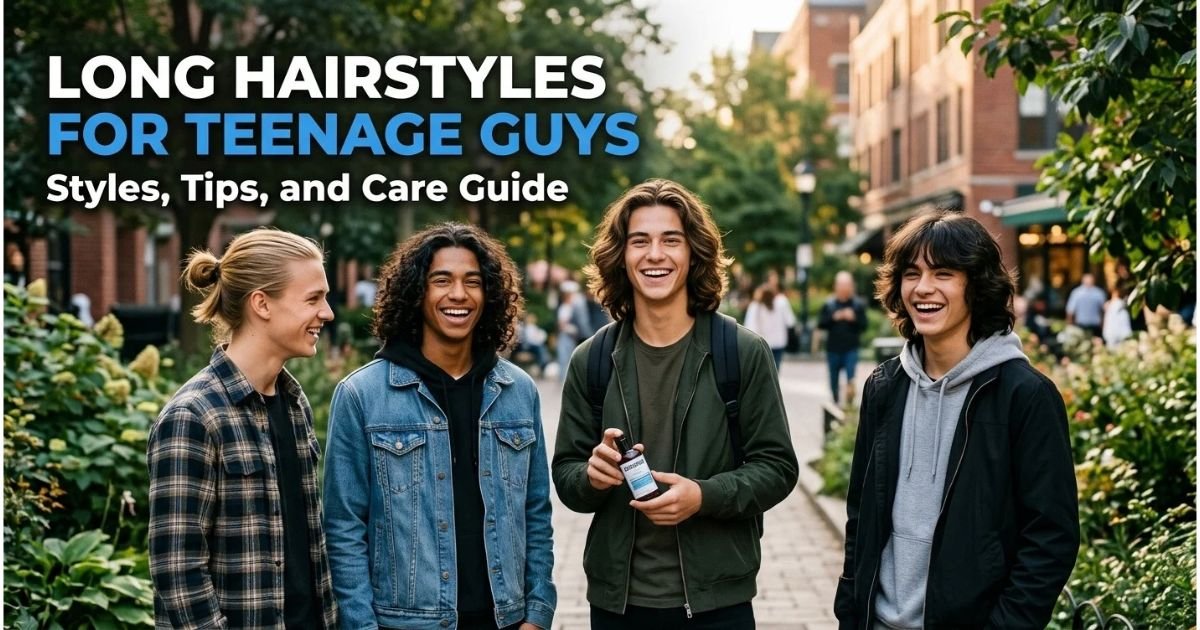
Long Hairstyles for Teenage Guys: Styles, Tips and Care Guide
Growing your hair out is one of the easiest ways to change your look, but it is not as simple as skipping the barber. Without a plan, long hair can turn frizzy, shapeless, or just plain messy. With the right cut and a basic routine, it looks relaxed and intentional.
This guide covers the best long hairstyles for teenage guys, how to choose one that suits your hair and face, how to grow it out, and how to take care of it every day. Whether your hair is straight, wavy, or curly, you will find something useful here.
Why Long Hair Works So Well for Teenage Guys
Your teenage years are a good time to experiment. Hair grows back, so you can try a new length without a big risk. Long hair also gives you more ways to style it. You can wear it down, tie it back, tuck it behind your ears, or push it off your face.
There are practical reasons too. Longer hair needs fewer haircuts, usually one trim every six to eight weeks instead of every three or four. Many guys also find that a longer cut helps them stand out in a simple, natural way.
Start With Your Hair Type
Before you pick any of the long hairstyles for teenage guys below, look at the hair you actually have. The same cut can look completely different on straight hair and curly hair.
Straight Hair
Straight hair shows length well and looks sleek when it is healthy. The downside is that it can look flat. Light layers add movement and stop it from hanging in one heavy sheet.
Wavy Hair
Wavy hair is the easiest to grow out. It has natural texture, so it looks styled even when you do very little. Let it dry naturally and add a light cream to control frizz.
Curly Hair
Curly hair grows outward as well as downward, so length can look bigger than you expect. Regular trims and layers keep the shape balanced. Avoid brushing it dry, because that causes frizz. Use a wide-tooth comb on damp hair instead.
Fine or Thin Hair
If your hair is fine, very long lengths can look stringy. Aim for shoulder length or just above, with a blunt or lightly textured end. Keeping the ends full makes the hair look thicker.
Thick Hair
Thick hair can feel heavy and bulky once it passes your ears. Ask for layers or thinning on the inside so the weight is spread out. This also makes it easier to tie back.
Choose a Style That Suits Your Face Shape
Face shape is not a strict rule, but it helps you decide where the length and volume should sit.
- Round face: Go for length that falls past the chin with some height on top. Avoid heavy volume on the sides.
- Square face: Soft layers and waves help balance a strong jawline. Side swept styles work well.
- Oval face: This shape suits almost everything, so you can choose based on your hair type and taste.
- Long or oblong face: Add width with fringe or curtain bangs. Avoid a lot of height on top.
- Heart-shaped face: Choose styles with some volume around the jaw and chin to balance a wider forehead.
Best Long Hairstyles for Teenage Guys
Here are the cuts that work best for teen boy long haircuts, from easy to more styled.
1. Layered Shoulder-Length Hair
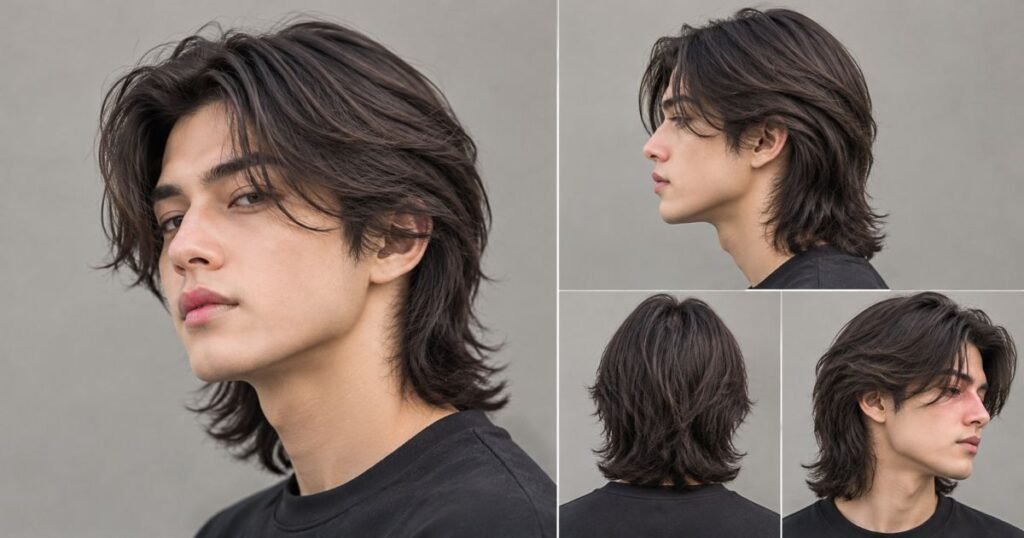
This is the most reliable choice for guys who want long hair without going extreme. The layers remove weight, add movement, and keep the shape tidy as it grows. It suits straight, wavy, and thick hair.
2. Curtain Hair
Curtain hair is parted in the middle with the sides falling away from the face like curtains. It is easy to maintain and works best on straight or slightly wavy hair. It is also a good first step when you start growing your hair out, because you can wear it at medium length and let it get longer over time.
3. Textured Shag
The shag has choppy layers throughout, which gives a casual, lived-in look. It works well for wavy and curly hair, and it hides the awkward in-between stage of growing out. If you like a bit of an edge, this is a strong option.
4. Braids and Ponytails
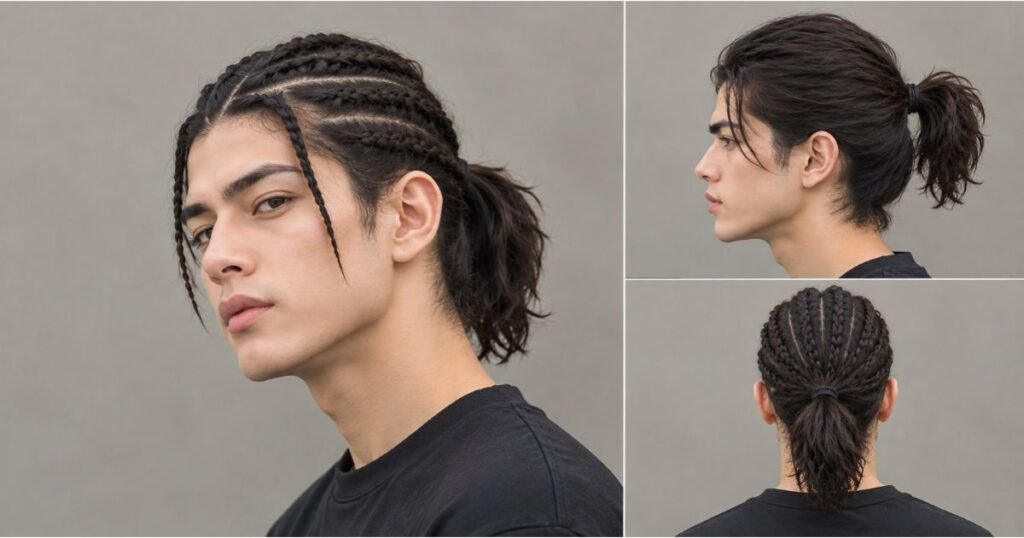
Once your hair is long enough, a low ponytail or a few simple braids give you extra options for sports, gym, or school. Keep them loose at the root to avoid tension on your scalp.
5. Modern Mullet
The mullet came back in recent years in a softer, more blended form. The sides are kept longer than the old version, and the back is layered instead of sharply cut. It suits wavy and thick hair. Be prepared for some attention, and make sure you are happy with that before you commit.
6. Long Top With Shorter Sides
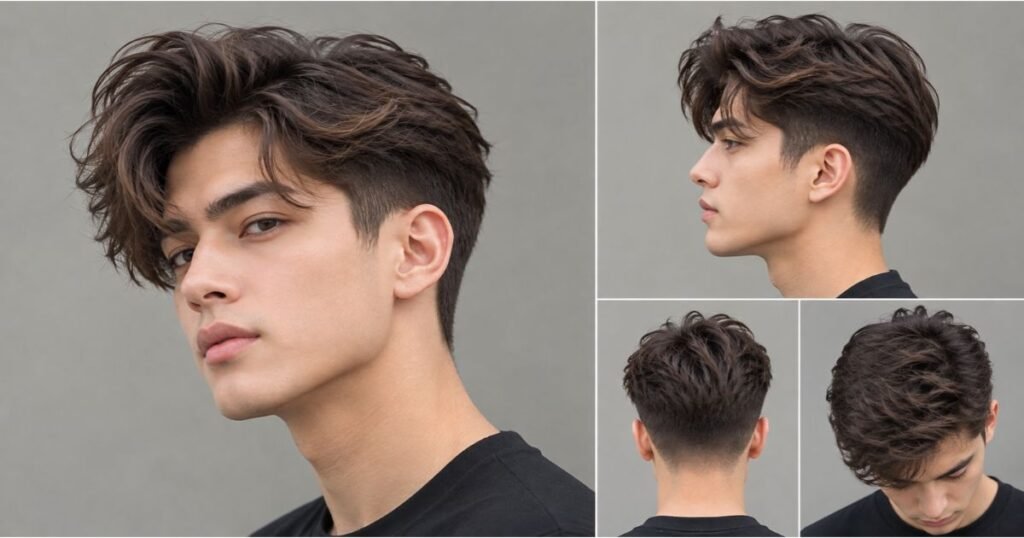
If a full head of long hair feels like too much, keep the length on top and ask for tapered or faded sides. You can slick the top back, sweep it to the side, or let it fall forward. This style is also easier to manage in hot weather and during sports.
7. Slicked Back Long Hair
This is a cleaner way to wear length. Apply a small amount of product to damp hair and comb it straight back. It looks sharp for events, family occasions, or picture day. It works best on straight or lightly wavy hair.
8. Half Up Style or Man Bun
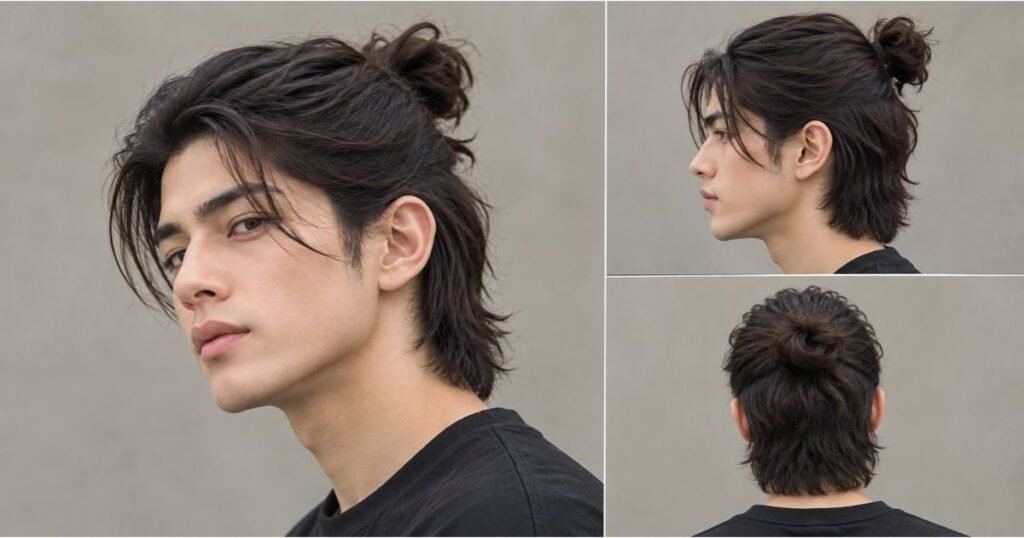
Tying part of your hair up keeps it out of your face while still showing the length. A half-up knot works well for medium to long hair. A full bun needs more length, usually past the shoulders. Use a soft hair tie instead of a thin elastic, which can snap and break strands.
9. Long Fringe With Layers
A longer fringe that sits across the forehead or just above the eyebrows softens the face and frames it nicely. Add layers through the back for balance. It suits most face shapes, especially long and square ones.
10. Long and Natural Flow
This is simple hair worn long and loose, with only light layers and an occasional trim. It is the best choice for someone who wants low effort. Wash it, let it dry, and add a little leave-in conditioner. It looks best on healthy, medium-thickness hair.
How to Grow Out Your Hair Without the Awkward Phase
Hair grows about half an inch a month on average. That means going from short to shoulder length can take a year or more. The in-between stage is where most people give up, so a plan helps.
Months 1 to 3: Your hair is short but growing. Let it grow evenly and keep the neck and ears tidy with small trims if needed.
Months 4 to 6: This is the hardest part. Hair starts to puff out and stick up. Use a light product to control it, and consider wearing a cap or headband on bad days.
Months 7 to 10: The length begins to fall instead of flare. Get a trim with layers to guide the shape.
Months 10 and beyond: You now have real length. Switch to a trim every eight weeks or so to keep the ends healthy.
A few tips that help along the way:
- Do not stop getting trims completely. Removing a small amount of split ends keeps hair strong, and it will not slow your growth.
- Eat enough protein, drink water, and get decent sleep. Hair growth is tied to general health.
- Be patient with your scalp too. Wash it regularly so it stays clean and itch free.
How to Talk to Your Barber
Many bad haircuts come from unclear instructions. Bring two or three photos of the length and shape you want. Also tell your barber:
- That you are growing your hair out, so you want shape, not a big cut.
- How much length you want to keep.
- Whether you prefer layers, a tapered neckline, or a blunt end.
- Whether you plan to tie your hair back.
A good barber will tell you if your hair type needs a different approach. Listen to that advice, especially when it comes to thickness and cowlicks.
Explore More: Mid Burst Fade Haircut: 28 Styles, Barber Tips and Care Guide
Products That Help Long Hair Look Better
You do not need a long list. A simple set of products is enough:
- Shampoo and conditioner: Pick a gentle shampoo and always use conditioner on the lengths and ends.
- Leave-in conditioner or cream: Good for wavy and curly hair, and helpful for reducing frizz.
- Sea salt spray: Adds a natural, textured look to straight or fine hair.
- Light pomade or clay: Useful for slicked back or half-up styles. Use a small amount and avoid heavy gels that leave a greasy finish.
- Wide-tooth comb: Gentler than a standard brush, especially when your hair is wet.
Daily Care for Healthy Long Hair
Healthy hair looks better than any product can make it look. Build these habits early.
Wash two to three times a week. Washing every day strips natural oils. If your scalp gets oily, wash more often, but stay gentle.
Condition the ends every time. The ends are the oldest part of your hair and dry out first.
Pat dry, do not rub. Rubbing with a towel causes frizz and breakage. Use a soft towel or an old cotton shirt to press out water.
Limit heat. If you use a hair dryer, keep it on a low or medium setting and hold it away from your hair. Heat tools used daily will damage your ends.
Detangle slowly. Start at the bottom and work upward. Pulling a brush from the roots on wet hair causes breakage.
Protect your hair at night. A cotton pillowcase can create friction. A satin pillowcase or a loose tie helps reduce tangles.
Long Hair at School and During Sports
Some schools have rules about hair length or style. Check your school handbook before growing your hair out. If rules require hair to stay off the collar or eyebrows, a tied-back style or a long top with shorter sides may work better.
For sports, a ponytail or half-up knot keeps your hair under control. A soft headband helps with sweat and stops hair from falling into your eyes. Rinse your hair after heavy sweating so your scalp stays clean.
Conclusion
Long hairstyles for teenage guys give you plenty of room to show your personality, and they do not have to be hard work. Start by knowing your hair type and face shape. Choose a cut that fits both, such as layered shoulder-length hair, curtain hair, or a textured shag. Be patient through the awkward stage, trim regularly, and keep your routine simple.
When you are ready to try something new, bring a few photos to your barber and ask for advice. With the right cut and consistent care, long hair can look clean, natural, and easy to live with.
Frequently Asked Questions
How long does it take to grow long hair as a teenage guy?
On average, hair grows about half an inch each month. Reaching shoulder length from a short cut usually takes between 12 and 18 months, depending on your starting point and how fast your hair grows. Teenagers often see steady growth, but genetics and health play a big part.
What is the best long hairstyle for teenage guys with thin hair?
Layered shoulder-length hair with a light texture is usually the best choice. Keeping the length around the shoulders instead of much longer helps the hair look fuller. Avoid too many heavy layers, because they can make fine hair look sparse.
Do I need to get haircuts while growing my hair out?
Yes. A trim every eight to twelve weeks removes split ends and keeps your shape under control. You will not lose the length you have worked for, because only a small amount is taken off each time.