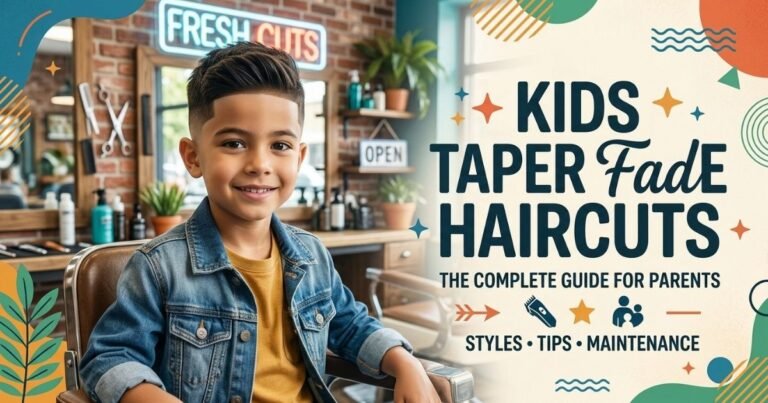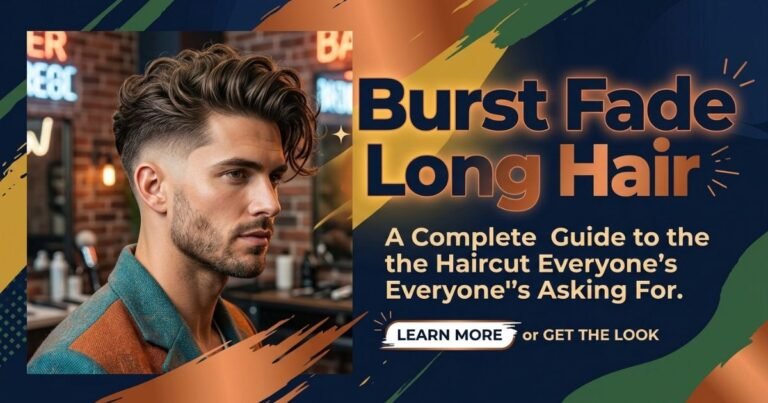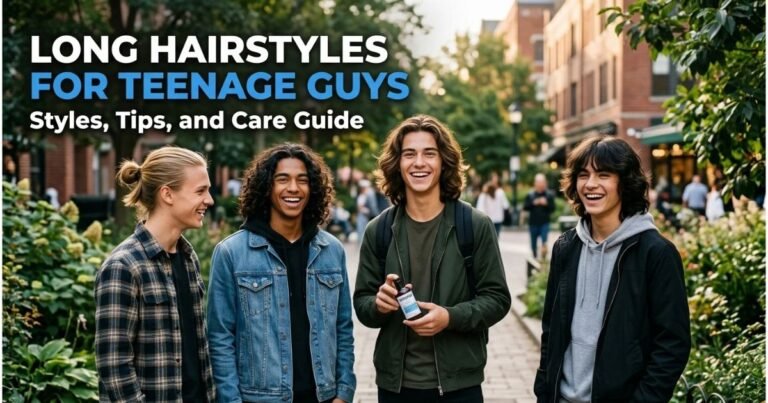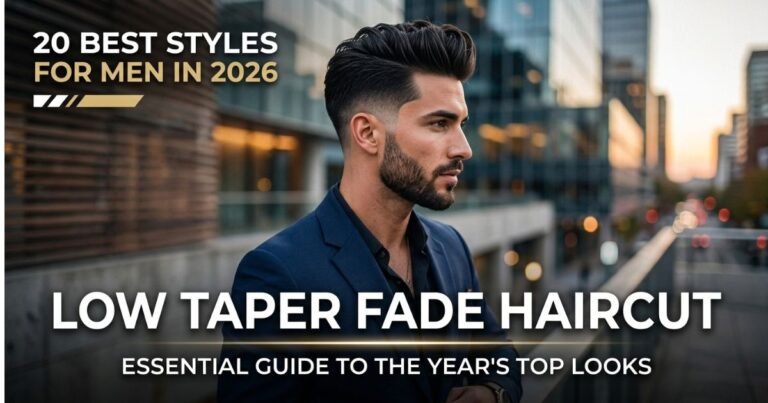
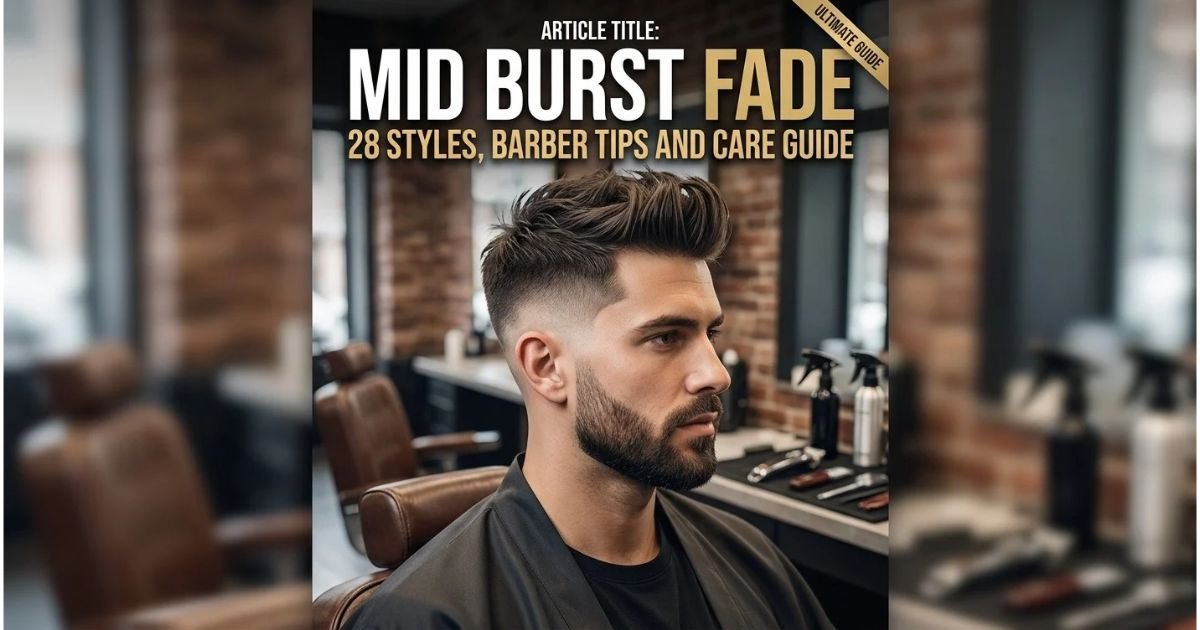
Mid Burst Fade Haircut: 28 Styles, Barber Tips and Care Guide
The mid burst fade is one of the few haircuts that looks right on a teenager, an office worker, and a bearded dad alike. It curves around the ear, keeps the sides short, and leaves you plenty of length on top to work with. If you are planning a barber visit, this guide covers what the cut is, who it suits, 28 style options, how to ask for it, and how to keep it clean between trims.
What Is a Mid Burst Fade Haircut?
A mid burst fade is a fade that curves in a rounded shape around the ear instead of running straight across the head. The word “mid” tells you where the fade begins. It starts around the middle of the sides, which puts it between a low fade near the neckline and a high fade close to the crown.
Barbers usually cut it with clippers, starting with a short guard near the ear and moving up to a longer guard as they blend. Many finish the edge with a razor for a clean look. The hair at the back is often left a little longer, which is why this cut pairs so well with mullets and longer styles.
Because the fade is separate from the top, you can match it with almost any hair length or texture.
Why the Mid Burst Fade Is So Popular
Several practical reasons keep this cut in demand:
- It suits teens and adults, and does not look too young or too formal.
- The curved line looks planned, even on a simple haircut.
- It works on curly, wavy, straight, thick, and fine hair.
- Fade height and top length are easy to adjust, so it never feels like a big risk.
- The contrast between short sides and longer top looks good in photos.
Who Should Get a Mid Burst Fade?
This cut is forgiving, but it works especially well in these cases:
- Thick hair: removes bulk from the sides so the top looks balanced.
- Curly hair: clean sides make the curls on top stand out.
- Wavy hair: a sharp edge underneath keeps waves looking tidy.
- Straight hair: adds structure and the look of more body.
- Beards: the fade blends into facial hair without a hard line.
For face shape, oval, round, square, and diamond faces usually carry it well. If your face is long or very angular, ask for a slightly lower fade and a bit more length on top to soften the contrast.
Quick Decision Guide
- Round or square face: try a pompadour or faux hawk for added height.
- Low effort routine: go for a buzz cut or a short textured crop.
- Bold look: consider a mullet, mohawk, or undercut.
- Office setting: a side part, slick back, or taper blend is a safe pick.
- Fine hair: choose a textured top to create fullness.
28 Mid Burst Fade Styles to Try
Each style below keeps the same mid burst fade on the sides. What changes is the top, the back, and how you style it.
1. Classic Mid Burst Fade
A smooth fade with a short, neat top. It is the easiest starting point if you have never had a fade before.
2. Modern Mid Burst Fade
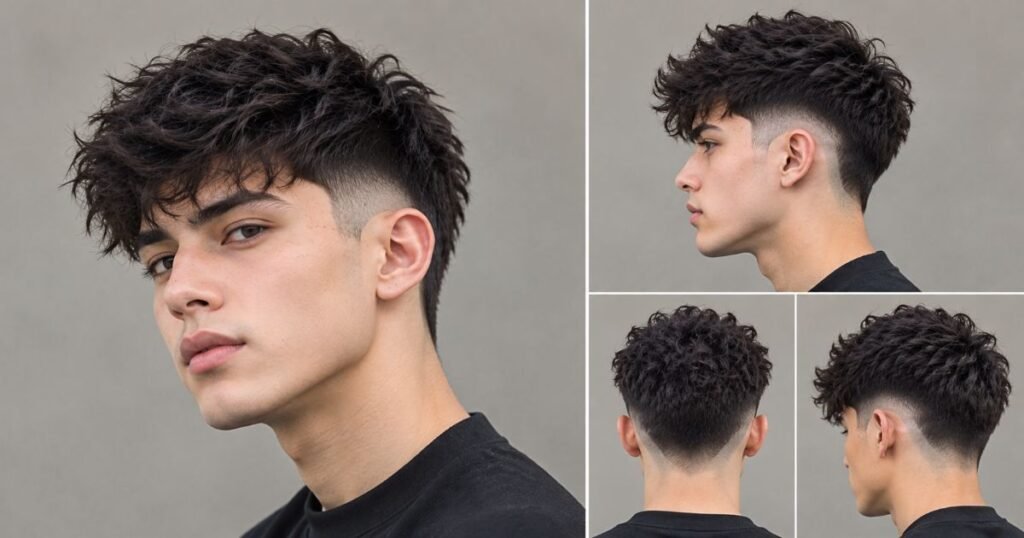
Sharp sides with a textured, slightly loose top. A little texture powder gives it movement.
3. Mid Burst Fade Mullet
Faded sides with longer hair left at the back. Use a light cream to keep the length defined.
4. Curly Mid Burst Fade
The fade removes bulk from the sides so natural curls take center stage. Apply curl cream after washing to control frizz.
5. Wavy Mid Burst Fade
Clean sides with a relaxed, wavy top. A sea salt spray brings out the pattern.
6. Straight Hair Mid Burst Fade
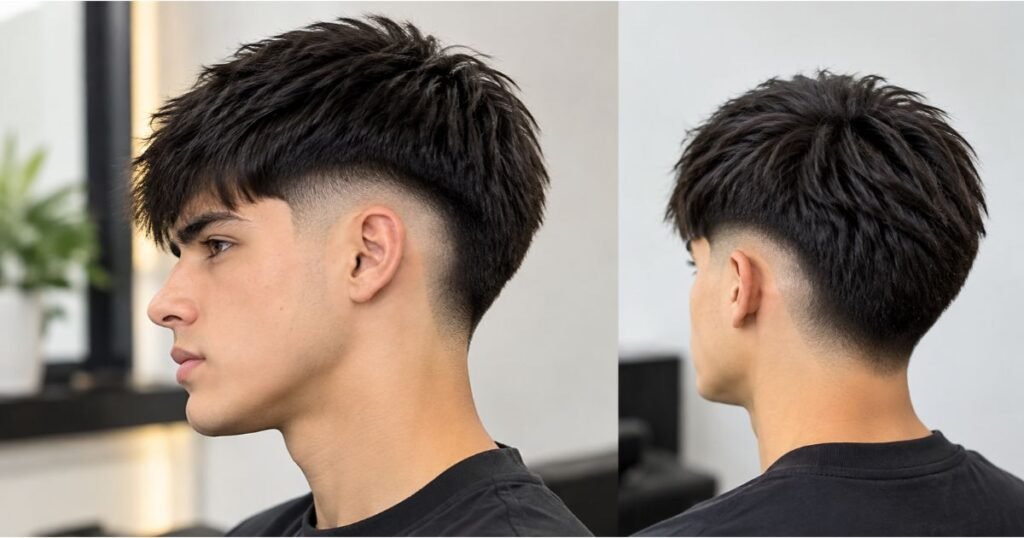
The contrast from the fade stops straight hair from looking flat. A light wax adds grip and texture.
7. Textured Mid Burst Fade
Choppy layers on top for volume and movement. It suits thick hair particularly well.
8. Messy Mid Burst Fade
A deliberately tousled top with tidy sides. Matte clay and your fingers are all you need.
9. Mid Burst Fade with Beard
The fade runs straight into the beard for one smooth shape. Trim the beard often so the blend stays clean.
10. Mid Burst Fade with Side Part
A defined part with a polished finish. Use a little pomade and a comb.
11. Mid Burst Fade Pompadour
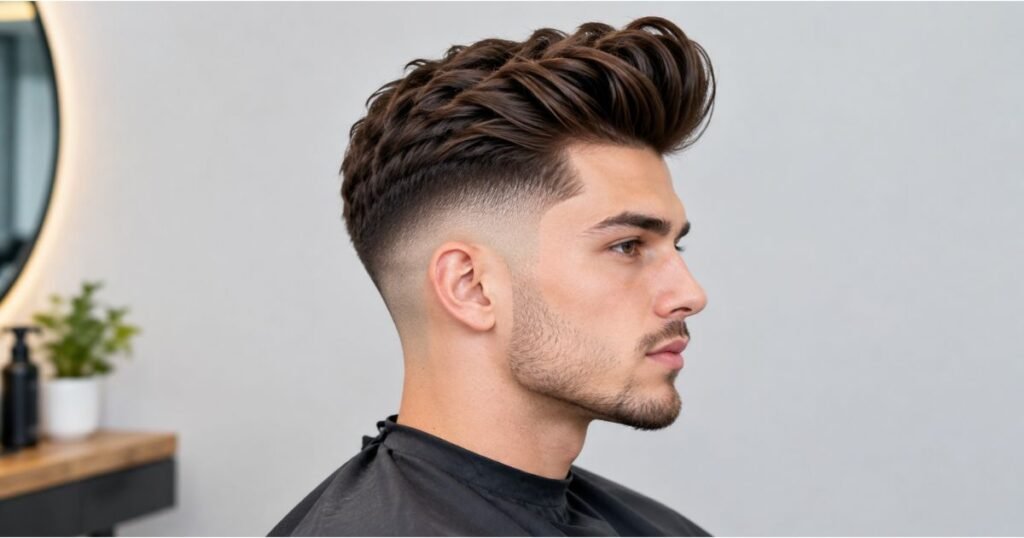
Height and volume at the front, tight sides underneath. A strong hold pomade and a blow dryer do the work.
12. Mid Burst Fade Comb Over
A traditional comb over paired with a modern fade. It is one of the most office friendly options here.
13. Mid Burst Fade Slick Back
Hair brushed straight back with faded sides. Medium shine pomade keeps it neat without stiffness.
14. Mid Burst Fade Fringe
Longer hair at the front falls forward while the sides stay short. It works well on naturally textured hair.
15. Mid Burst Fade Crop Top
A short, textured top kept close to the head. It is low effort and still looks styled.
16. Mid Burst Fade Mohawk
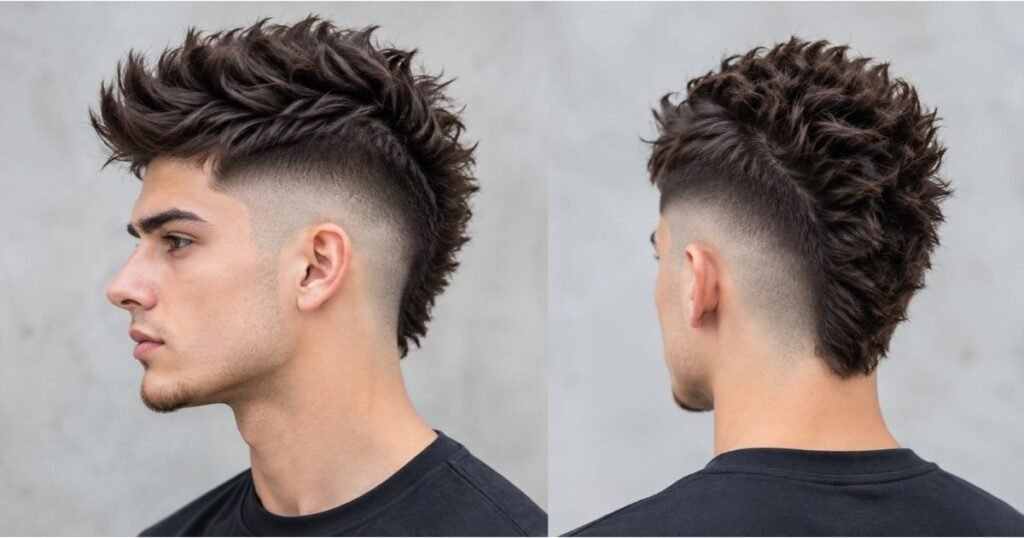
A strip of longer hair down the center with heavily faded sides. Use strong gel or wax to hold the shape.
17. Mid Burst Fade Faux Hawk
A softer version of the mohawk with less height. It is easier to wear every day.
18. Mid Burst Fade with Design
Shaved lines or patterns added into the fade area. Book trims every two to three weeks to keep the lines sharp.
19. Mid Burst Fade Buzz Cut
A short, even top with the fade on the sides. It is about as simple as this cut gets.
20. Mid Burst Fade Undercut
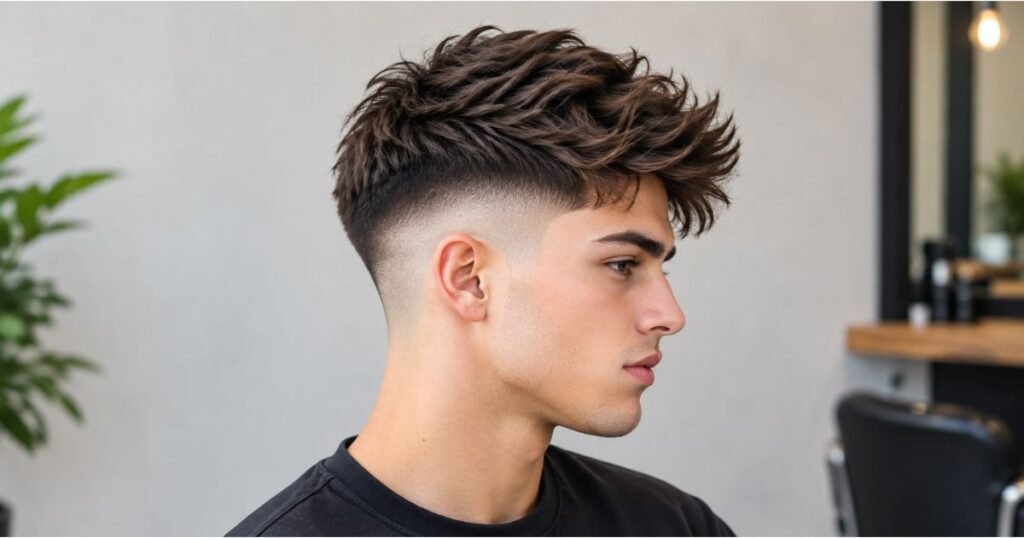
Longer hair on top disconnected from very short sides. The contrast is stronger than a standard fade.
21. Mid Burst Fade for Thick Hair
Thinning out the sides keeps thick hair from looking heavy. Choose lightweight products.
22. Mid Burst Fade for Thin Hair
Short sides and a textured top make thin hair look denser. A little powder at the roots helps with lift.
23. Mid Burst Fade Afro
Clean, blended sides with a full, defined afro on top. Moisturizing cream keeps the texture healthy.
24. Mid Burst Fade with Long Top
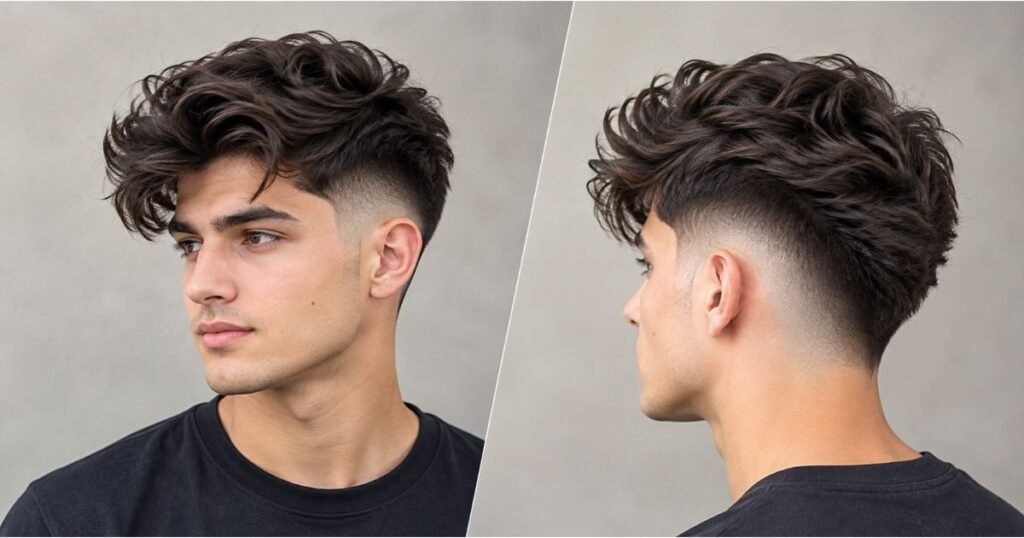
Extra length gives you options to wear it slicked, messy, or textured. You can change your look without changing your cut.
25. Mid Burst Fade Taper Blend
A softer, more gradual transition than a hard burst line. It suits work and casual settings equally well.
26. Mid Burst Fade for Teen Boys
Neat sides with a flexible top. It gives teens room to experiment with length and texture.
27. Mid Burst Fade with Spiky Hair
Short to medium spikes with tight sides. Strong wax holds the shape.
28. Low Maintenance Mid Burst Fade
Minimal styling and a simple routine. The fade gives the cut its shape, so daily effort stays small.
How to Ask Your Barber for a Mid Burst Fade
A short, clear conversation before the clippers start prevents most bad haircuts. Follow these steps:
- Name the cut and show the height. Say “mid burst fade” and point to where on the side you want the fade to begin.
- Describe your top length. Use real measurements, such as “about an inch” or “long enough to comb back.”
- Mention your hair type. Curly, thick, thin, or wavy hair is cut differently.
- Choose your contrast. Decide between a sharp, bold fade and a softer blend.
- Bring a reference photo. A picture removes most of the guesswork.
- Ask about upkeep. Find out how often you should return and what products suit your hair.
How to Maintain a Mid Burst Fade
Most people need a trim every two to four weeks. After that, the fade line softens and loses its crisp edge. Faster-growing hair may need a visit closer to two weeks.
At home, wash with a gentle shampoo and avoid piling on heavy product, since buildup can make hair look flat. A light conditioner helps with curly and wavy texture. Towel dry gently instead of rubbing, then apply a product that matches your style. A minute or two of styling is usually enough.
Explore More: Kids Mullet: 15 Best Haircut Ideas for Boys in 2026
Best Hair Products for a Mid Burst Fade
- Pomade: best for side parts, slick backs, and pompadours. Medium to strong hold gives structure and some shine.
- Texture powder: adds volume without weight. It works well for crops, messy styles, and fine hair.
- Hair spray: helps styles hold through wind and humidity. A flexible hold keeps hair looking natural.
Mid Burst Fade vs Low Burst Fade
The main difference is where the fade starts. A low burst fade begins near the ears and neckline, so the look is quieter and easier for conservative workplaces. A mid burst fade starts higher, which gives stronger contrast and a more noticeable shape. Low versions are slightly easier to maintain, while mid versions need trims a little more often to stay sharp.
Mid Burst Fade vs High Burst Fade
A high burst fade starts close to the crown, showing more scalp and creating the sharpest contrast. It is a bigger commitment and grows out more visibly. The mid burst fade sits in the middle, which makes it a good first choice if you want a clear fade without going too short on the sides.
Common Mistakes to Avoid
Choosing the wrong fade height. This is the most common regret. Talk about height with your barber before the cut begins.
Ignoring hair texture. Curly, straight, thick, and thin hair each need a slightly different approach. A barber who never asks about your texture may give you a generic result.
Skipping trims. The fade does not fail suddenly. It slowly blurs, so stay on schedule to keep the edge clean.
Conclusion
The mid burst fade works for most hair types, adapts to different face shapes, and can be worn clean or bold depending on the top you choose. Be specific with your barber about height, length, and texture, and keep up with regular trims. If you want a quieter look, try the low version, and if you want more contrast, the high version is the next step. For more haircut guides and grooming advice, keep exploring HairDep.
FAQs About the Mid Burst Fade
How long does a mid burst fade last?
Expect a sharp look for two to four weeks, depending on how fast your hair grows. After that, the blend starts to soften.
Is a mid burst fade good for curly hair?
Yes. The shorter sides reduce bulk, and the curls on top look more defined and intentional.
Can I get a mid burst fade with a beard?
Yes. The fade can blend into the beard smoothly, which gives a balanced and tidy look. Keep the beard trimmed so the transition stays clean.