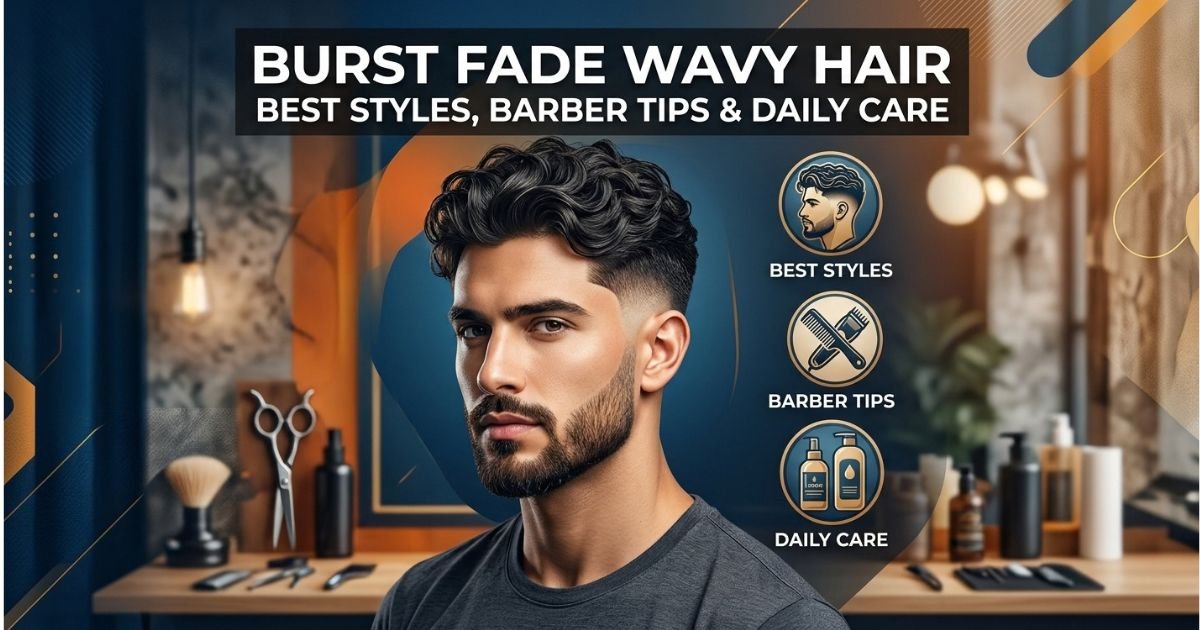
Burst Fade Wavy Hair: Best Styles, Barber Tips and Daily Care
If you’re one of those who struggle with wavy hair, you know what it’s like. After a week or two, the sides expand, the top goes its own way, and the whole thing goes soft.
Most of that is corrected by a burst fade wavy hair combo. It does not interfere with your natural movement and has a sharp curve around the ear to clean up the sides.
This guide will explain what a burst fade is, what type of fades work best on waves, what to say in the barber chair, and how to maintain it at home.
What Is a Burst Fade?
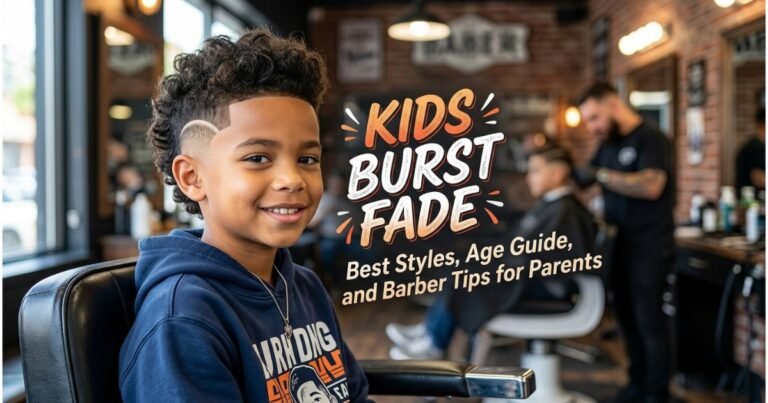
A burst fade is a fade that sweeps in a half circle around the ear and then falls into the neckline. Imagine that it’s not a horizontal fade, but a rounded one.
The hair on top and at the back remains longer. The fade is only around and behind the ears.
This is why it is suitable for mullets, longer tops, and textured styles. A fresh, clean appearance around the ear without sacrificing length where desired.
Burst Fade vs Taper Fade
A taper is a gradual shortening of hair, usually along the sideburns and neckline. A burst fade is a specific shape: the curve around the ear.
You can have a taper and a burst in the same cut. They are not the same thing, though, and barbers will ask which you mean.
Burst Fade vs Drop Fade
A drop fade follows the skull and dips lower behind the ear. A burst fade makes a circle around the ear instead.
If you show your barber a photo, point to where the fade line travels. That one detail saves a lot of confusion.
Is a Burst Fade Just a Mullet?
No. The burst fade is the fading technique. The mullet is a full hairstyle with length at the back.
Many people pair the two, which is why they get mixed up online. You can also get a burst fade with a short crop or a quiff and no mullet at all.
Why a Burst Fade Works So Well for Wavy Hair
Wavy hair has natural volume and movement, but it can get unruly on the sides. A burst fade removes that bulk where it causes trouble.
The sides stay tight and neat, while the top keeps its texture and bounce. The contrast makes your waves look intentional instead of messy.
It is also one of the more forgiving fades for wavy hair. The curve softens the transition, so you avoid the harsh line a skin fade can create on thick, wavy hair.
Low, Mid, or High Burst Fade: Which One Fits Your Waves?
Every burst fade comes down to height. Pick this before anything else, because it changes how the whole cut looks.
Low Burst Fade
The fade stays close to the ear and neckline. It is the softest option and the easiest to wear to an office or a family event.
Choose this if you have thick, voluminous waves and want a subtle clean-up rather than a bold contrast.
Mid Burst Fade
This sits around the temple level and gives a visible but balanced look. It is the safest middle ground and the one most barbers recommend first.
It works well for medium-length waves and most face shapes.
High Burst Fade
The fade climbs higher on the sides, creating strong contrast with the top. It looks sharp and modern, but it grows out faster and needs more upkeep.
Go this route if your waves are dense and you do not mind frequent barber visits.
Best Burst Fade Styles for Wavy Hair
Here are the versions that work best with natural waves, and who each one suits.
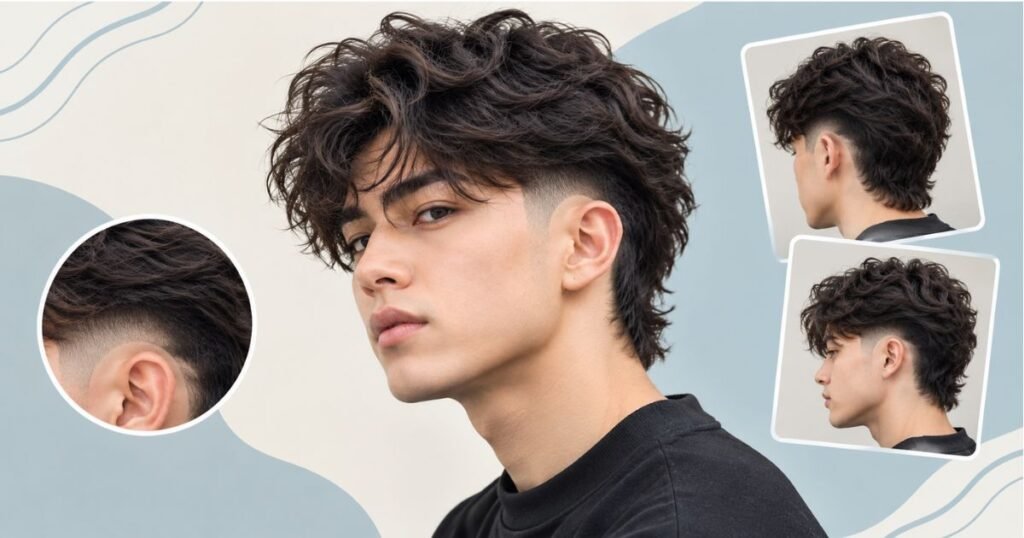
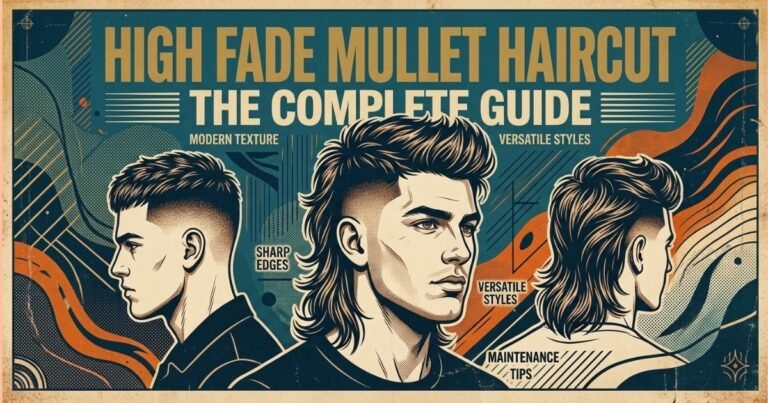
Wavy Burst Fade Mullet
The top and back stay long, with the fade only around the ears. Waves actually help here because they add shape to the length without much effort.
Ask for the back to be layered slightly. Without layers, wavy hair at the nape can stack up and look heavy.
Textured Crop with a Burst Fade
Short on top, with choppy texture and a clean burst around the ear. This is a low-effort option for guys who want a quick morning routine.
A bit of matte clay or sea salt spray on damp hair is usually all it takes.
Layered Wavy Top with a Burst Fade
Longer layers on top let your waves fall naturally while the sides stay tight. It is great for medium-density hair and oval face shapes.
The layering reduces weight, which helps waves hold their pattern instead of flattening.
Burst Fade with a Wavy Fringe
The front hair falls forward in soft waves. It balances out a longer forehead and gives a relaxed, boyish look.
Keep the fringe slightly uneven, since a blunt line looks stiff on wavy hair.
Wavy Burst Fade Mohawk or Faux Hawk
The center stays long, and the sides drop down tight. Wavy hair adds natural lift, so you need less product to get height.
This one suits dense hair best. On fine hair, it can look thin in the middle.
Wavy Quiff with a Burst Fade
Swept up and back with volume at the front. A quiff is easier to hold in wavy hair than straight hair, as the bends provide structure.
Apply a light pomade and blow-dry for hold without crunchiness.
Burst Fade with a Beard
If you have a beard, the fade can be combined with your sideburns and jawline to create one smooth line. Let your barber join them together instead of fading them on their own.
Does a Burst Fade Suit Your Face Shape?
Face shape matters less than hair density, but it still guides length and height.
Oval faces can wear almost any version. Square faces look good with softer layers on top to offset the jawline.
Round faces benefit from height on top and a mid or high burst to add length. Long faces should keep the top shorter and avoid too much height.
Heart-shaped faces suit a fringe or side-swept wave, which balances a narrower chin.
How to Ask Your Barber for a Wavy Burst Fade
This is where most people go wrong. Saying “burst fade” is not enough, because barbers read it differently.
Bring one or two photos, ideally of someone with similar wave patterns. Then be specific about three things.
First, the height: low, mid, or high. Second, how short the sides get, such as skin, number 1, or number 2. Third, how much length you want to keep on top and at the back.
Also tell the barber you have wavy hair and want to keep the texture. A good barber will cut with that in mind and leave extra length on top.
The Wavy Hair Mistakes That Ruin a Burst Fade
These are the things people with waves often learn the hard way.
Cutting Too Short on Top
Waves shrink when dry. A wave that looks 4 inches long when wet can sit at 2.5 inches once it springs up.
Ask your barber to leave more length than you think you need. You can always cut more next visit.
Skipping the Dry Check
If your barber only cuts wet hair, ask them to check the shape when dry. Wavy hair can look balanced when wet and uneven once it dries.
A quick dry check at the end catches problems before you leave.
Going Too High With Thick Hair
A very high fade on very thick waves can make the top look like a mushroom. The contrast is too abrupt.
If your hair is dense, start with a low or mid burst and go higher later if you like it.
Using the Wrong Product
Heavy gel flattens waves, and too much wax makes them greasy. Wavy hair usually responds better to cream, light clay, or sea salt spray.
How to Style a Burst Fade on Wavy Hair
Good news: it does not take long. Here is a routine that works for most wave types.
Step 1: Start With Damp Hair
Do not style soaking wet or bone-dry hair. Towel dry until it is just damp so the waves can set naturally.
Step 2: Apply a Light Product
For a natural look, use a curl cream or sea salt spray. For more hold, use a matte clay or paste about the size of a coin.
Warm it between your palms before applying.
Step 3: Shape With Your Fingers
Scrunch upward from the roots, then place any pieces where you want them. A comb flattens waves, so save it for the sides if you need it.
Step 4: Dry It Right
Let it air dry if you have time. If you are in a hurry, use a blow dryer on low heat with a diffuser, and stop before it is fully dry to avoid frizz.
Step 5: Finish and Set
A pinch of light pomade or texture spray on the ends adds definition. Do not overdo it, or the style will look stiff.
How Often Should You Get a Touch-Up?
A burst fade loses its sharpness faster than most people expect. The shorter sections around the ear grow out first.
Most people need a touch-up every 2 to 3 weeks for a clean look. If you are happy with a softer, lived-in fade, 4 weeks is fine.
High fades need more frequent visits than low ones. If budget is a concern, ask for a low burst, since it hides regrowth better.
Explore More: High Taper Fade for Curly Hair: Styles, Barber Tips and Care Guide
How Long Does It Take to Grow Out?
If you decide you are done with it, the sides take about 6 to 8 weeks to look even again. Wavy hair grows out a little awkwardly in the middle stage because the sides puff before they lengthen.
A taper cut at about the 4-week mark smooths that phase.
Daily Care Tips for Wavy Hair With a Burst Fade
Wavy hair requires moisture, and the areas that are shaved also require attention.
Use a sulfate-free shampoo to wash your waves 2 to 3 times a week, as it will not dry them out. Apply a light conditioner when washing.
Be sure to include the faded sections. The skin around the ear may be dry or irritated – a light moisturizer will help.
If possible, use a pillowcase made from silk or satin. It helps prevent frizz and smooth your waves overnight.
Can Fine or Thinning Wavy Hair Pull Off a Burst Fade?
Yes, with adjustments. If you have fine hair, then you should go with a low or mid burst and a shorter top, as long fine hair will look flat.
A volumizing spray is used instead of heavy products. The matte-texture powder provides lift without weight.
If thinning at the crown, leave a slight amount longer and arrange it forward or to the side. The fade emphasizes the sides and not the thinning section.
Conclusion
A burst fade is not a trend you have to fight your hair to wear. With waves, it works with what you already have.
Pick a height that fits your lifestyle, tell your barber exactly how you want the top to behave, and keep products simple. Do that, and the cut will look good both on the day you get it and a couple of weeks later.
If you are still unsure, start with a low or mid burst. It is easy to go higher next time, but harder to go back.
FAQs About Burst Fade Wavy Hair
Is a burst fade good for wavy hair?
Yes. It controls bulk on the sides while leaving your waves on top untouched. It works especially well for thick and medium-density wavy hair.
What is the best length on top for a wavy burst fade?
Between 3 and 5 inches works for most people, since waves shrink once dry. Shorter than 2 inches reduces the wavy look, so go longer if you want visible movement.
How do I stop wavy hair from looking puffy on the sides with a burst fade?
Get a tighter fade, like a mid or high burst, and use a light cream rather than hairspray. Regular touch-ups every 2 to 3 weeks also stop the sides from puffing.