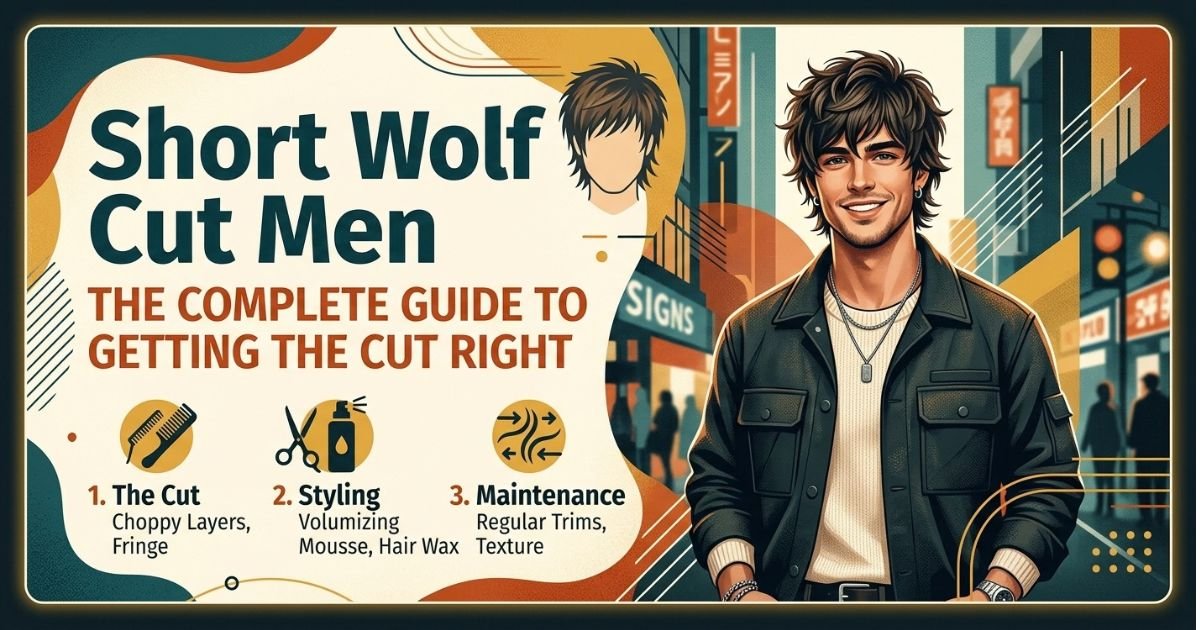
Short Wolf Cut Men: The Complete Guide to Getting the Cut Right
The wolf cut has been one of the most requested men’s hairstyles for a while now, and the short version has quietly become the more practical choice for a lot of guys. It keeps the shaggy, layered look that made the short wolf cut men popular in the first place, but without the extra length that needs daily attention.
If you are thinking about trying a short wolf cut for men, here is everything you need to know before you sit in the barber’s chair.
What Is a Short Wolf Cut
A short wolf cut is a combination of two older men’s cuts, the shag and the mullet, and is just a shorter, simpler cut. The top is layered and textured for lift and movement. There is a little volume in the crown. Sides are held close to the head to maintain balance. The back is slightly longer than the top, providing the cut with its “wolf” shape without becoming a full mullet.
The short cut is not the same as the longer cut, which requires length to achieve the dramatic layered style; instead, it is based on accurate layering. This makes it low-maintenance and a great choice for those who aren’t certain about extending their hair.
Why the Short Wolf Cut Has Become So Popular
There are several reasons for this cut being in barbershops and on social media.
As long as it is layered properly, it can work with almost any type of hair, straight, wavy, or curly. It also works for a variety of face shapes as the top is full and the sides are tapered to balance most proportions. Not to mention, it’s much simpler to maintain than the longer wolf cut, as there’s less hair to tangle with on a daily basis, and it still provides the lived-in appearance that is always in style.
It also looks great from a casual to a slightly more polished outfit. It’s versatile enough for students, professionals, and everyone in between because you can wear it messy for everyday use or you can comb it down a bit for something more put-together.
Short Wolf Cut vs Other Popular Cuts
It helps to understand how this style compares to a few similar haircuts, since people often confuse them.
Short Wolf Cut vs Buzz Cut
A buzz cut keeps the hair uniform in length all over the head. A short wolf cut is the opposite of that. It relies on varied layer lengths, a textured crown, and a slightly longer back to create shape and movement, so the two styles have almost nothing in common besides being considered low maintenance.
Short Wolf Cut vs Textured Crop
A textured crop has short sides and a textured top, similar to a wolf cut, but it does not have the slightly longer back or the tail-like feel at the nape. The wolf cut keeps a small amount of extra length at the back specifically to create that wolf-shaped silhouette.
Short Wolf Cut vs Mullet
A mullet keeps the sides shorter with a clear and often dramatic length difference at the back. A wolf cut blends everything together with heavier layering throughout, so the transition from top to back looks more natural and less like two separate lengths stitched together.
Short Wolf Cut vs Classic Wolf Cut
The classic wolf cut uses more length and heavier layers, which gives it that shaggy, almost seventies-inspired look. The short wolf cut takes the same idea and tightens it up, so it reads as more controlled and works better for guys who do not want to deal with longer hair.
Who Should Get a Short Wolf Cut
This cut is fairly forgiving when it comes to face shape, but a good barber will still adjust the layering based on your features.
If you have a round face, keeping more height at the crown and less width at the sides will help elongate your face. If you have a square or angular jawline, softer layers around the front can take some of the sharpness off your features. For an oval face, almost any version of this cut will work well since the proportions are already balanced. If you have a longer face shape, a bit more length and volume on the sides, along with a fringe, can help widen the overall look.
Best Hair Types for a Short Wolf Cut
Straight Hair
Straight hair can sometimes fall flat without enough texture, so the layers need to be cut with intention. A light texturizing spray or clay is usually needed to hold the shape through the day.
Wavy Hair
Wavy hair is arguably the easiest hair type for this cut. The natural movement works with the layering instead of against it, and it usually needs less product to hold the style.
Curly Hair
Curly hair needs the internal bulk removed so the curls do not puff outward and lose the wolf shape. Longer layers within the cut help balance the natural volume of curly hair while still keeping the overall length short.
How to Ask Your Barber for a Short Wolf Cut
Communication matters a lot with this haircut since there is room for interpretation. A few things worth mentioning to your barber:
Ask for short, textured layers on top with extra lift at the crown. Request that the sides stay slim and tapered rather than shaved close, unless you specifically want a fade. Mention that you want the back kept just slightly longer than the top, not dramatically longer. Bring a reference photo if possible, since “wolf cut” can mean different things depending on the barber.
It also helps to be upfront about how much time you are willing to spend styling it each morning, since that affects how much texture and layering your barber should build in.
Styling a Short Wolf Cut Step by Step
It doesn’t take much to get the look right at home, but a few steps do make a difference.
Use wet but towel-dried hair, not fully wet hair, because it is easier to control. Lightly spray or apply some texture spray or lightweight styling cream, and apply to the roots at the crown for lift. Shape and separate layers with fingers, NOT a comb. For increased volume, a quick finger blow-dry before product application will do the trick. Don’t over-correct the ends, as an undone appearance is part of the style.
This cut can be combed too much and tends to lose its texture, creating a more textured look similar to a regular layered cut; a light hand is usually better.
Explore More: Mid Taper Fade For Kids Haircut Guide (By Age and Hair Type)
Products That Work Best
The cut doesn’t require a lot of products, but a few will go a long way. A light texture spray or sea salt spray provides grip and definition without weighing down the hair. A matte styling clay or cream will help to set the shape without a shiny appearance. If you want a little more control around the crown, use a small amount of pomade sparingly. Heavy gels or waxes should be avoided as they tend to bind the layers and take away the texture that is so important to this cut.
Maintenance and Upkeep
One of the benefits of the short wolf cut is that it is easier to handle than longer cuts. Most men will need a trim every 3-4 weeks to maintain the shape, especially on the sides and neckline. Styling is typically fast and simple, using a few minutes of fingers and product daily.
This is one of the most popular reasons to opt for this cut; it is shorter in total length and maintains its shape for longer between cuts than the classic wolf cut does.
Popular Short Wolf Cut Variations
Korean Short Wolf Cut
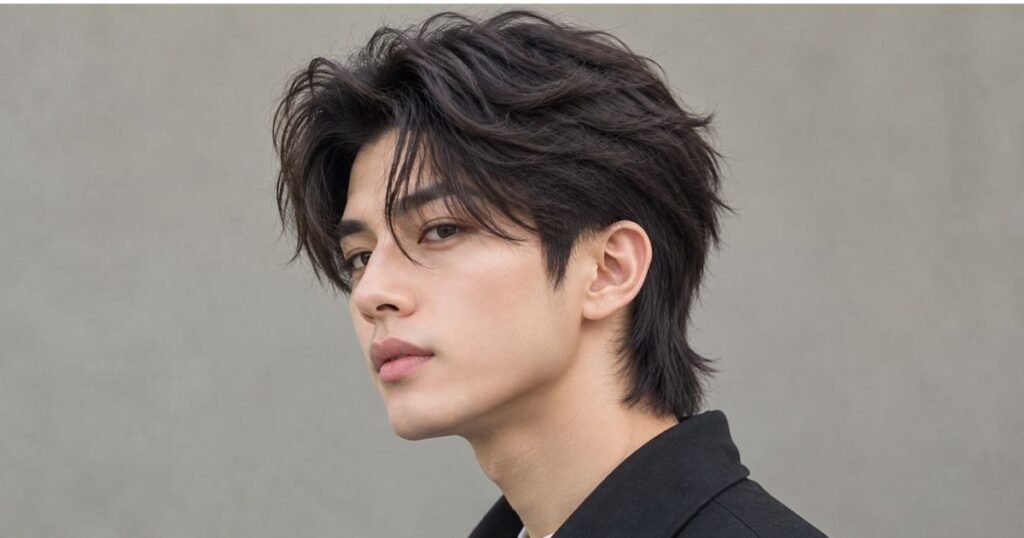
This version leans softer and cleaner, with a lighter fringe and less aggressive layering. It photographs well and suits guys who want the wolf cut shape without the heavier, messier texture.
Mullet Wolf Cut
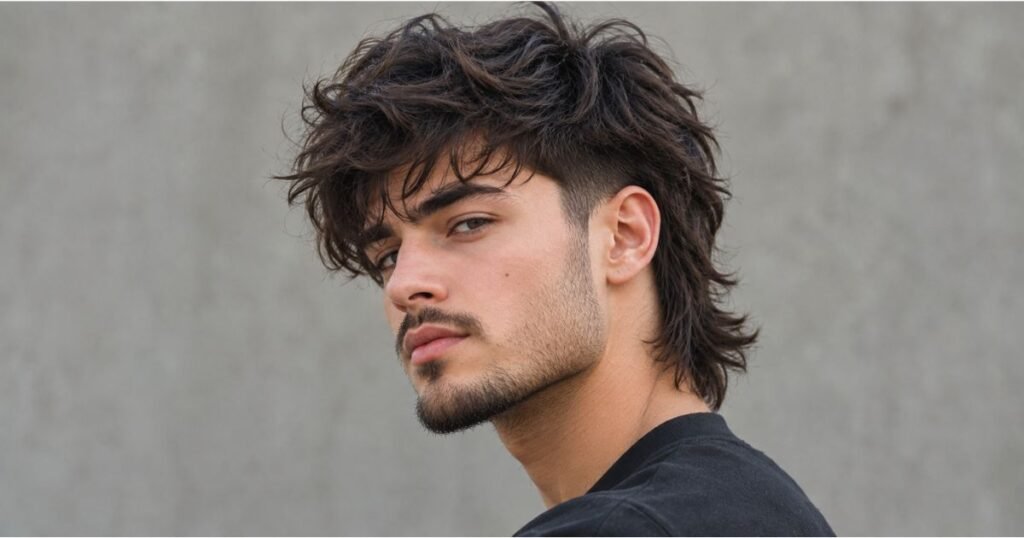
A slightly more dramatic take that borrows a bit more length at the back, blending the wolf cut with mullet influences for a bolder result.
Curly Short Wolf Cut
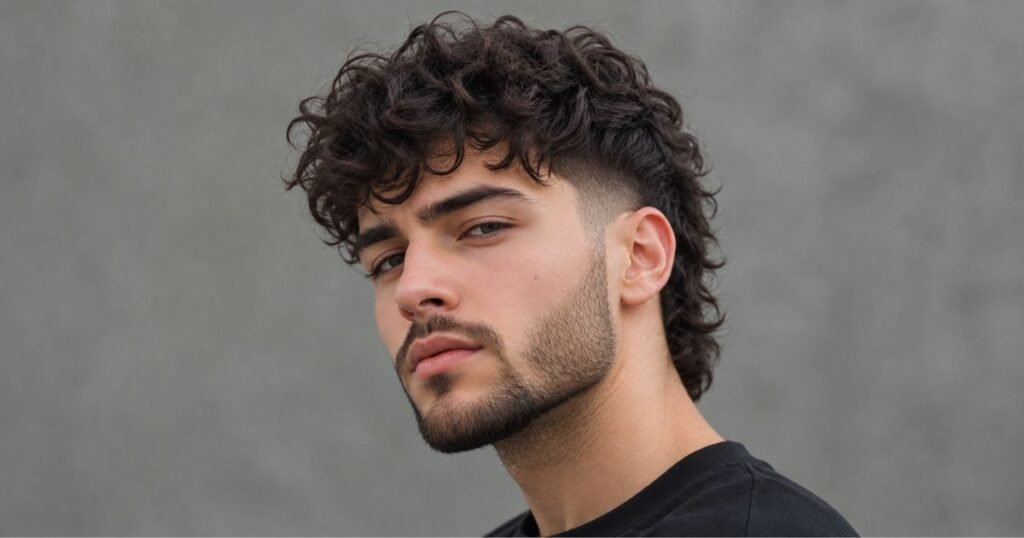
Built specifically for curly hair, with longer internal layers that let the curls sit naturally without becoming too wide or bulky.
Bleached or Two-Tone Short Wolf Cut
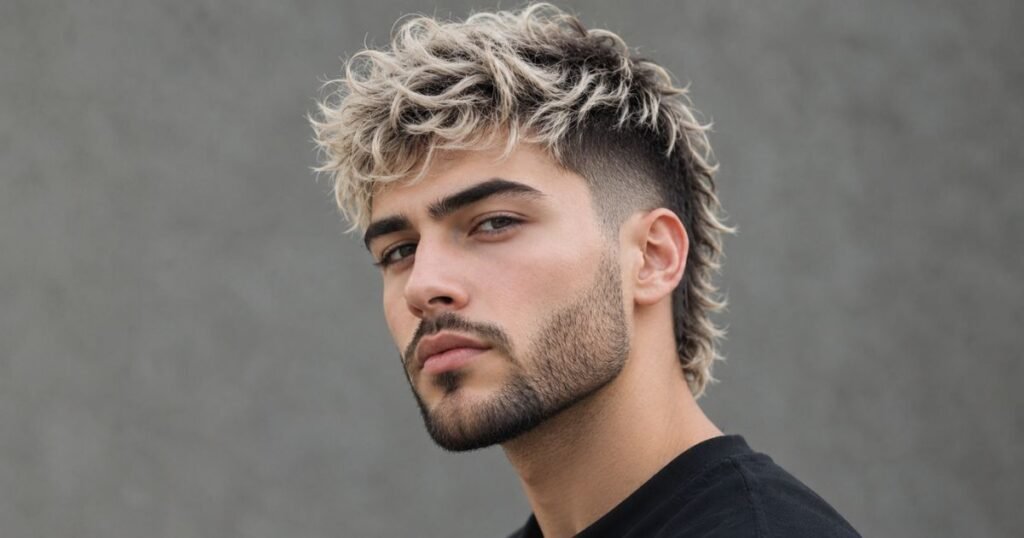
For guys who want something more attention-grabbing, adding a lighter tone or bleached ends on top emphasizes the texture and layering even more.
Common Mistakes to Avoid
A few things tend to go wrong with this cut if you are not careful. Going too short on the back removes the wolf shape entirely and turns it into a regular layered crop. Over-styling with too much product flattens the texture and makes the cut look stiff instead of natural. Skipping regular trims lets the shape grow out unevenly, since different sections of hair grow at different rates.
Choosing a barber who is not familiar with the cut can also lead to a result that looks more like a generic layered haircut than an actual wolf cut.
Conclusion
The short wolf cut men’s haircut has stuck around because it offers a good middle ground. It gives you the textured, layered look that made the wolf cut trend so popular, but without the upkeep that comes with longer hair.
Whether your hair is straight, wavy, or curly, a good barber can adjust the layering to suit your hair type and face shape. If you want a cut that looks a little edgy but still works for everyday life, this is one of the more practical options out there right now.
Frequently Asked Questions
Is a short wolf cut hard to maintain?
Not really. Compared to the classic wolf cut, the short version is much easier to manage. It usually needs a trim every three to four weeks and just a few minutes of daily styling with a light product.
Does the short wolf cut work with straight hair?
Yes, though it needs a bit more product to hold texture since straight hair naturally falls flatter. A texturizing spray or clay applied at the roots helps keep the shape through the day.
How is a short wolf cut different from a regular layered haircut?
The main difference is the slightly longer back paired with a textured, lifted crown. A regular layered cut is usually even in length throughout, while the wolf cut intentionally keeps a bit of extra length at the nape to create that signature shape.