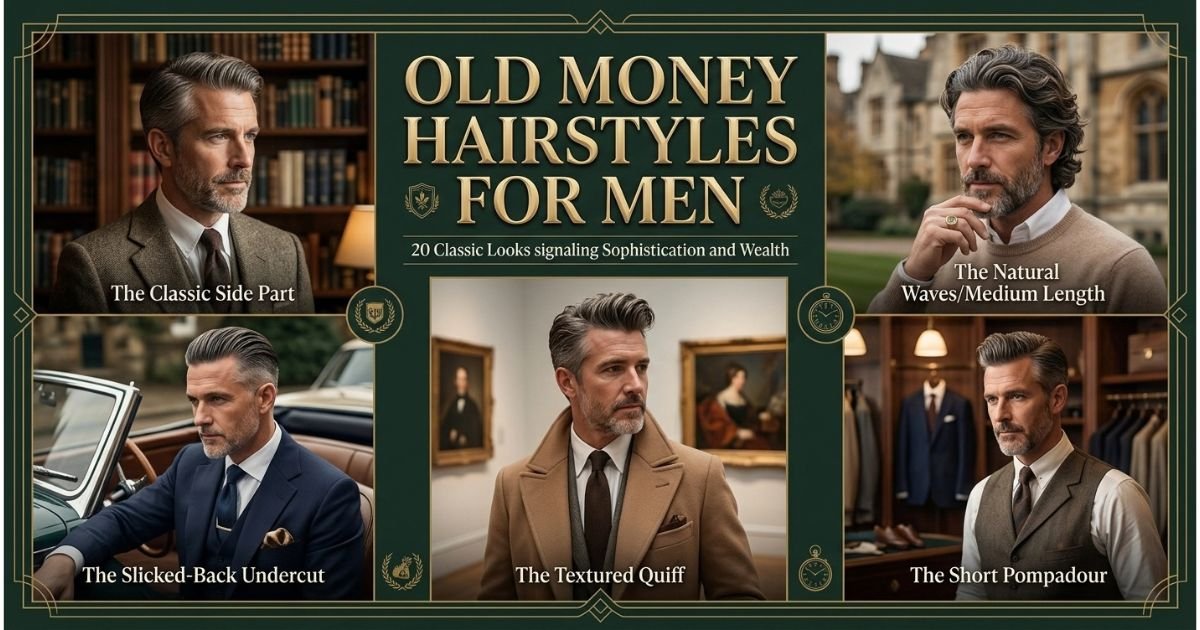
20 Old Money Hairstyles for Men That Signal Wealth
There is a certain kind of style that never asks for attention. It does not chase whatever cut is trending on social media that week, and it does not rely on sharp fades or loud volume to make an impression. Old money hairstyles work through restraint. They are clean, structured, and quietly polished, the kind of look that suggests you have always taken care of yourself rather than trying something new for the occasion.
These cuts trace back to Ivy League campuses, prep schools, and generations of men who understood that good grooming does not need to shout. Below you will find twenty of the best old money hairstyles for men, along with guidance on choosing the right one for your face and hair, and how to explain it to your barber so you leave the chair with exactly what you asked for.
What Is an Old Money Hairstyle
An old money hairstyle is a classic men’s haircut built around clean structure rather than trend-driven details. Instead of high-contrast fades, shaved designs, or heavy gel, these styles rely on natural tapering, soft texture, and disciplined maintenance.
A few things set them apart from ordinary haircuts.
Restraint over extremes. The sides taper gradually instead of dropping to skin. There is no hard line where the cut suddenly changes.
Light products only. A small amount of pomade, cream, or matte paste is usually enough. Heavy gel or wet-looking finishes are avoided.
Timeless shape. These cuts have looked appropriate for decades and will likely still look appropriate a decade from now, since they are not tied to a passing style.
Regular upkeep. Old money grooming assumes a trim every three to five weeks. The look depends on the hair staying neat, not just on the original cut.
The 20 Old Money Hairstyles for Men
The table below gives a quick snapshot of each style before diving into the details.
| Hairstyle | Hair Length | Best Face Shape | Maintenance Level |
|---|---|---|---|
| Ivy League Cut | Short to Medium | All | Low |
| Classic Side Part | Short to Medium | Oval, Round, Square | Low |
| Classic Slick Back | Medium to Long | Oval, Square | Medium |
| Textured Pompadour | Medium | Oval, Heart | Medium |
| Crew Cut | Short | All | Very Low |
| French Crop | Short | Oval, Square | Low |
| Caesar Cut | Short | Round, Square | Low |
| Classic Quiff | Medium | Round, Oblong | Medium |
| Undercut | Medium | Oval, Diamond | Medium |
| Classic Comb Over | Medium | All | Low |
| Classic Taper | Short to Medium | All | Low |
| Curtain Cut | Medium | Oval, Heart | Low |
| Bro Flow | Long | Oval, Square | Low |
| Side Fringe | Medium | Round, Oval | Low |
| Layered Cut | Medium to Long | All | Medium |
| Scissor Cut | Short to Medium | All | Low |
| Side Swept | Medium | Round, Oval | Low |
| Brushed Back | Medium | Square, Oval | Low |
| 80/20 Cut | Short to Medium | All | Low |
| Layered Medium Cut | Medium | All | Medium |
20 Old Money Hairstyles for Men
1. Ivy League Cut
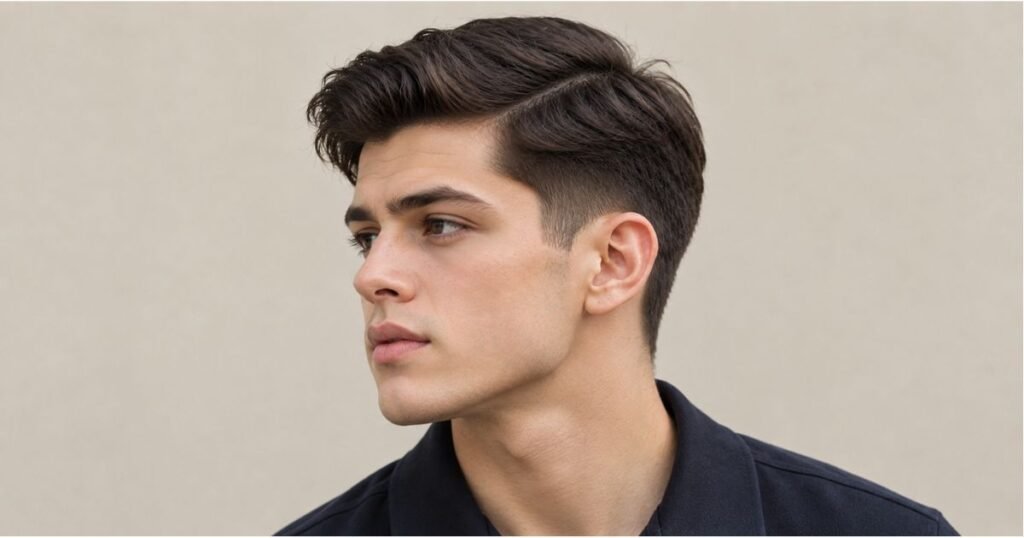
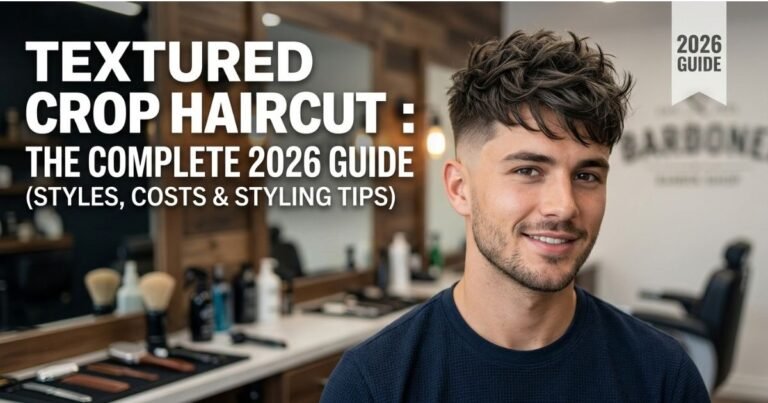
Named for the university culture where it first became popular, the Ivy League cut keeps about one and a half to two inches of length on top with tapered sides. It can be combed into a side part for formal settings or brushed back casually. This is often considered the definitive old money haircut because it works for almost any face shape.
2. Classic Side Part
A defined side part with hair combed neatly across the top has been associated with polished, professional style since the 1920s. A small amount of light pomade gives it a healthy shine without looking greasy. It suits oval, round, and square faces particularly well.
3. Classic Slick Back
All the hair is swept straight back from the forehead using a light pomade or styling balm rather than heavy gel. The finish should look smooth and controlled, not wet. It works best on medium to longer hair and moves easily from the office to an evening out.
4. Textured Pompadour
The pompadour lifts hair at the front and sweeps it back, but the old money version keeps the volume modest. It should look intentional without becoming dramatic. This cut has been worn by style icons across several decades for good reason; it flatters oval and heart-shaped faces especially well.
5. Crew Cut
Short on the sides and slightly longer on top, the crew cut is one of the easiest old money styles to maintain. It requires minimal daily styling and holds its shape well between trims, making it a practical choice for men who prefer a low-maintenance routine.
6. French Crop
Short sides paired with a neat fringe across the forehead give the French crop a slightly more modern edge while still fitting the old money mold. It works particularly well with straight or wavy hair and needs only a small amount of texture powder or light wax.
7. Caesar Cut
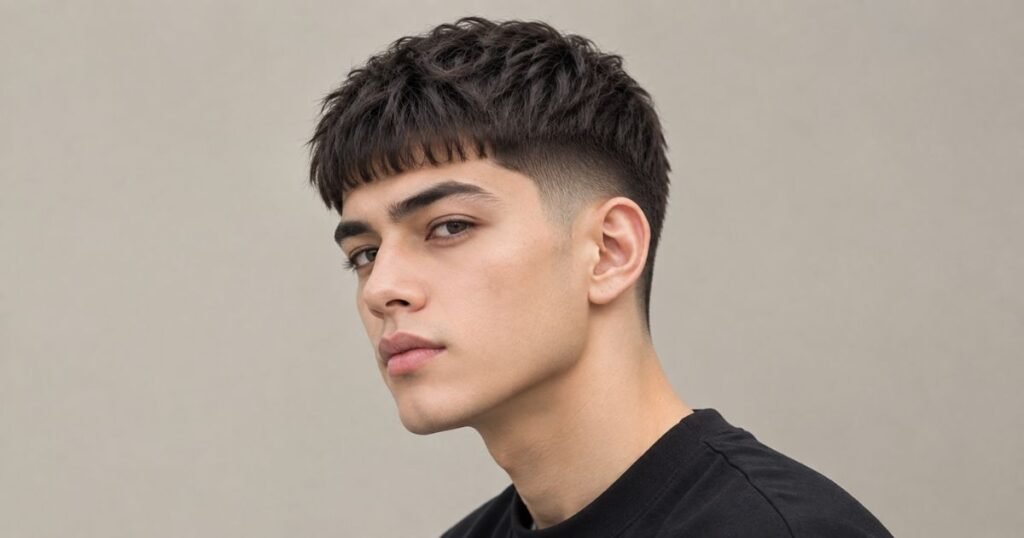
Short length all around with a straight fringe brushed forward, the Caesar cut is clean and disciplined. It has historical roots that go back centuries, and its low-maintenance nature makes it a dependable choice for round or square face shapes.
8. Classic Quiff
The quiff builds gentle volume at the front and sweeps it slightly to one side. Kept controlled rather than spiked, it adds a bit of height that balances rounder or longer face shapes without looking overstyled.
9. Undercut
A longer, neatly combed top paired with short sides creates contrast, but the old money version avoids anything too sharp or sculpted. The top should be styled with a side part or brushed back rather than pushed into an aggressive shape.
10. Classic Comb Over
Longer hair on top is combed smoothly to one side while the sides stay tapered or lightly faded underneath. Once considered outdated, this cut has returned as a refined, professional option that pairs well with tailored clothing.
11. Classic Taper
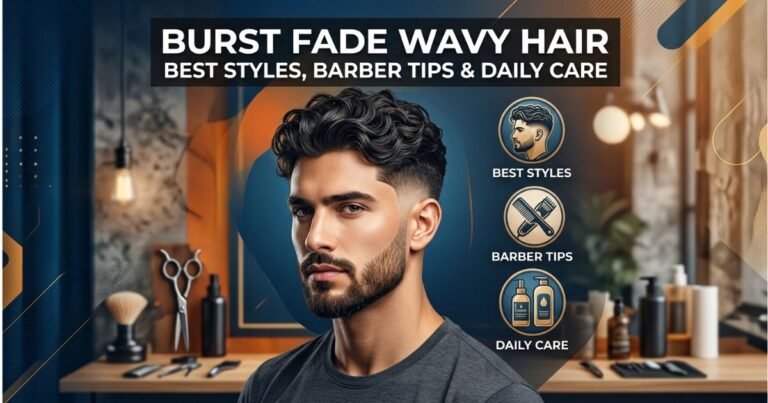
The taper keeps fuller, textured hair on top while gradually shortening toward the neckline, with no hard lines anywhere. It is one of the most versatile cuts on this list and suits nearly every hair type and face shape.
12. Curtain Cut
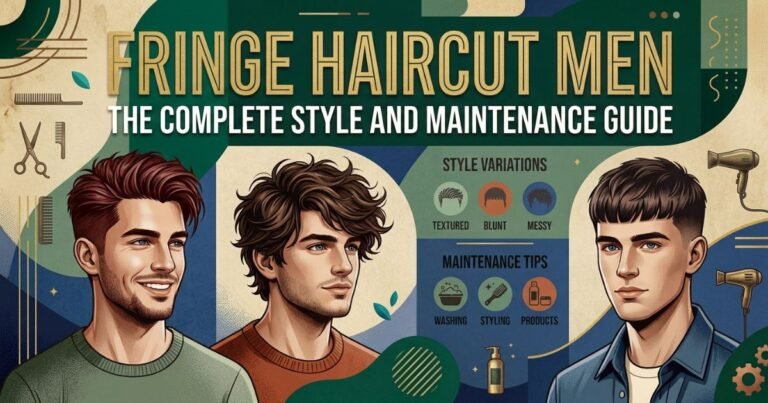
Parted down the center with soft length falling on either side of the face, the curtain cut has a relaxed, European quality when kept clean and well trimmed. It suits straight to slightly wavy hair and works best at medium length.
13. Bro Flow
Medium to long hair is left to move naturally, with occasional trims keeping the neckline and edges tidy. The result should look effortless rather than unkempt, closer to a weekend by the coast than a beach day gone unmanaged.
14. Side Fringe
The top is left slightly longer and pushed gently to one side, creating a soft piece that falls over the forehead. It is low maintenance yet looks deliberate, and it suits round and oval faces particularly well.
15. Layered Cut
Stacked sections of varying length add movement and body across the top and sides. This works especially well for men with thicker hair who want fullness without the cut looking heavy or flat.
16. Scissor Cut
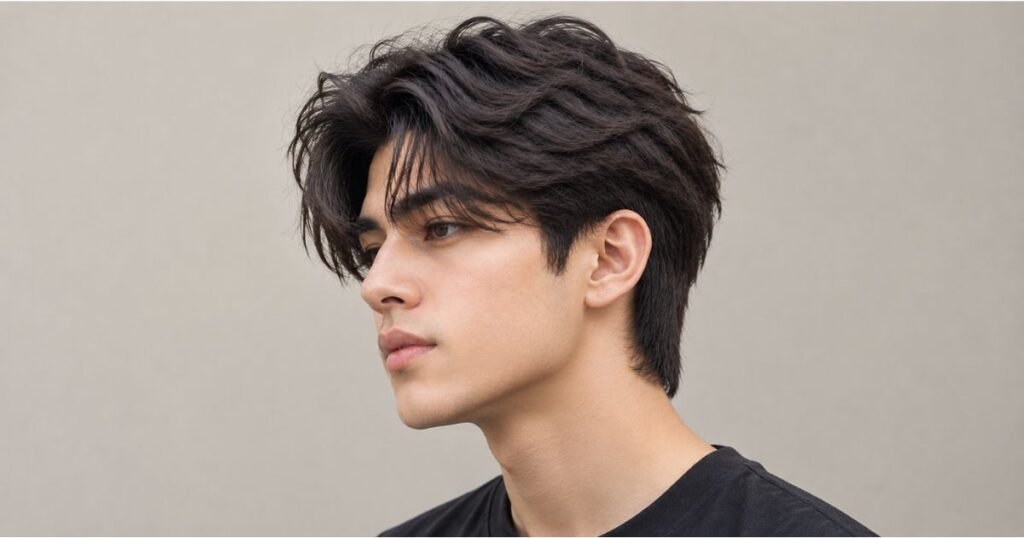
Rather than a specific shape, the scissor cut refers to the technique. Scissor work produces softer, more natural edges than clipper-heavy styles, which fits the old money preference for a finish that looks groomed rather than machine-cut.
17. Side Swept
Hair is drawn across the forehead in one clean direction, letting natural texture do most of the work. It suits men with a bit of wave already in their hair and gives an understated, put-together look.
18. Brushed Back
All the hair is brushed away from the face and kept close to the head using a light hold cream. It is one of the simplest styles here, and its simplicity is exactly what makes it read as disciplined rather than plain.
19. 80/20 Cut
A slight variation on the classic side part, the 80/20 sends most of the hair to one side while the lighter side stays close and tapered. The asymmetry is subtle enough to still feel classic rather than trend-driven.
20. Layered Medium Cut
Feathered sections fall naturally around the sides and top, giving a relaxed but tidy shape. A blow-dry with a brush lifts the roots slightly, and a touch of styling cream keeps everything smooth through the day.
How to Choose the Right Old Money Hairstyle for You
Consider Your Face Shape
An oval face can wear nearly any style on this list. Square jawlines look best with softer cuts like the quiff or layered styles that ease the angles. Round faces benefit from added height, such as a pompadour or quiff, while oblong faces tend to look more balanced with shorter styles that add width rather than length.
Know Your Hair Type
Fine hair usually needs a little help with volume, so layered cuts or a light quiff work well. Thick hair benefits from cuts that manage bulk, such as a taper or crew cut. Wavy or curly hair suits relaxed styles like the bro flow or side-swept, while straight hair holds structured shapes like the side part and slick back with ease.
Match the Style to Your Lifestyle
Think honestly about how often you can visit a barber. Most old money cuts need a trim roughly every three to five weeks to keep their shape. If your schedule is unpredictable, a crew cut or taper will ask less of you day to day. If you enjoy spending a few minutes styling in the morning, a slick back or pompadour rewards that extra attention.
How to Ask Your Barber for an Old Money Haircut
Clear language gets better results than vague requests. Instead of saying you want something classic, try phrases like tapered sides without a hard fade, a clean side part with natural volume, or scissor cut throughout for a softer finish. Words like understated and heritage grooming communicate the intent clearly.
Bringing a reference photo helps remove any guesswork, especially if your hair type differs from what you are describing. And keep the request simple. Combining several trends into one haircut, such as a heavy fade with a dramatic pompadour, usually works against the quiet, refined look you are going for.
Explore More: The Crew Cut Low Fade Explained: A Clean Cut That Works for Everyone
Conclusion
Old money hairstyles hold up because they were never built around a single trend to begin with. From the Ivy League cut to the classic side part and the relaxed bro flow, each style on this list depends on clean structure, light products, and a barber who understands restraint. Pick the one that suits your face shape and hair type, keep up with regular trims, and the result will look like something money cannot rush: a haircut that has simply always looked right.
Frequently Asked Questions
Do old money hairstyles work with thick or curly hair?
Yes. Cuts like the taper, layered cut, and bro flow are well suited to thicker or wavy hair. The key is asking your barber for scissor work and light layering so the hair keeps its natural movement instead of looking bulky.
How often should I get an old money haircut trimmed?
Most of these styles hold their shape for three to five weeks before they start to look uneven, particularly around the neckline and ears. Regular trims are part of what makes the look consistent.
Are old money hairstyles suitable for older men?
Definitely, because these cuts rely on structure rather than trend, they work well across every age group. A classic side part or crew cut looks just as appropriate at fifty as it does at twenty-five.